
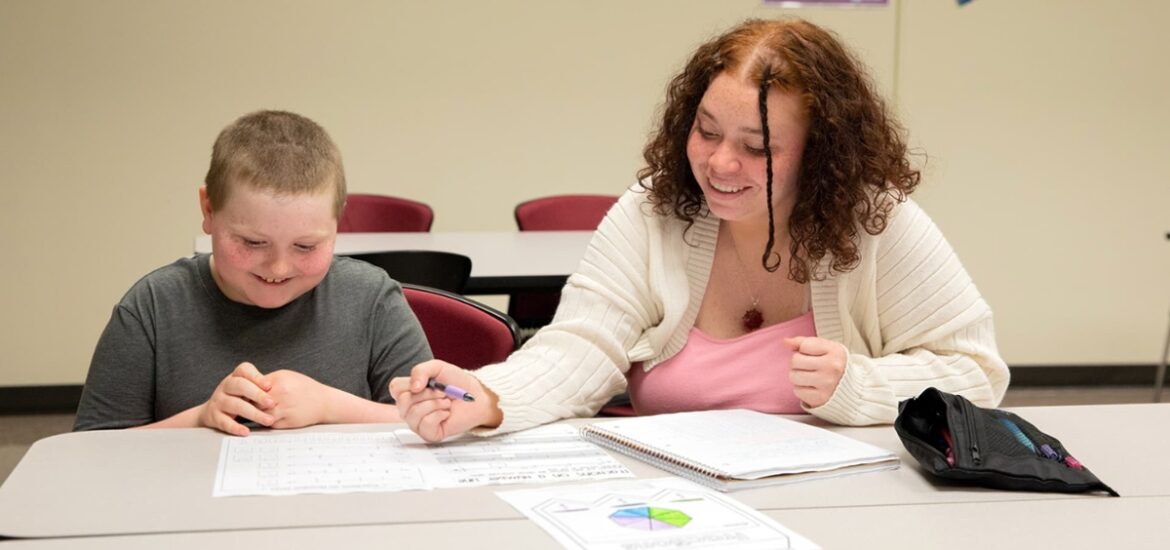
Inclusive classrooms are increasingly becoming the norm. Today’s teachers are expected to support students with a wide range of learning, cognitive, physical, and behavioral needs, often within the same classroom and with limited resources.
A master’s in special education helps educators build the advanced knowledge and practical skills needed to meet those expectations. Beyond compassion, effective special education teaching requires a deep understanding of human development, disability studies, and evidence-based instructional strategies that support all learners in inclusive classroom settings.
Why Special Education Expertise Matters Now More Than Ever
Inclusive education has reshaped what it means to be an effective teacher. Today’s classrooms include students with a wide range of abilities, learning differences, and support needs, and educators are expected to meet those needs while maintaining high academic standards.
According to the National Center for Education Statistics, more than 7.5 million students in the United States received special education services during the 2022-2023 school year, representing about 15% of all public school students. As inclusive classrooms continue to grow, schools increasingly rely on teachers with specialized training in special education to support meaningful, individualized instruction and advocate for students with complex learning needs.
How an Online Master’s in Special Education Supports Inclusive Teaching
For many educators, advanced training in special education makes an immediate difference in their inclusive teaching practice.
“Special education has been my passion since I was 14,” says Isabella M., a Rowan University online Master of Arts in Special Education student. “I will do anything to grow my education in this field.”
Through her coursework, Isabella has been able to apply new strategies directly with her students—strengthening communication, adapting instruction, and meeting learners where they are in inclusive classroom settings.
For teachers like Isabella, earning a master’s in special education is about becoming more effective, responsive, and confident educators in today’s inclusive classrooms.
The Biggest Challenges Teachers Face in Today’s Inclusive Classrooms
Most educators recognize that inclusive classroom strategies are necessary in today’s learning environments, but implementing those strategies effectively can be challenging. Educators who pursue a master’s in special education gain the training needed to navigate these challenges with confidence, clarity, and evidence-based instructional practices.
Some of the most pressing challenges that teachers face when supporting students with disabilities or learning differences include:
1. Meeting Diverse Academic and Behavioral Needs
At its core, inclusive education requires teachers to support varying levels of ability, social-emotional needs, and learning profiles all at once. This can be overwhelming, particularly in classrooms with large or diverse student populations. Teachers must continue developing their skills through ongoing professional learning to identify student needs accurately and implement instructional strategies that support all learners effectively.
2. Adapting Instruction and Curriculum Quickly
One of the most challenging aspects of inclusive teaching is the need to adapt instruction in real time and adjust curriculum to meet individual student needs. Educators rely on data-informed decision-making and evidence-based instructional strategies to support diverse learners across inclusive classroom environments. Strong classroom management skills are also essential, particularly when addressing the social-emotional and behavioral needs of students with varied learning profiles.
3. Collaborating With Families and Support Teams
Supporting students in inclusive settings requires strong collaboration among educators, families, caregivers, and interdisciplinary support teams. Effective inclusive teaching depends on clear communication, shared goals, and coordinated services to ensure students have access to the resources they need to thrive. Educators can strengthen these collaborative skills through advanced training in special education that emphasizes partnership, advocacy, and team-based problem-solving.
How Does a Master’s in Special Education Strengthen Your Teaching?
Graduate-level training provides educators with advanced knowledge to serve diverse learners effectively, including the use of assistive technology. An online master’s in special education equips teachers with strategies to support a wide range of learning needs while deepening their understanding of the challenges students encounter in today’s classrooms.
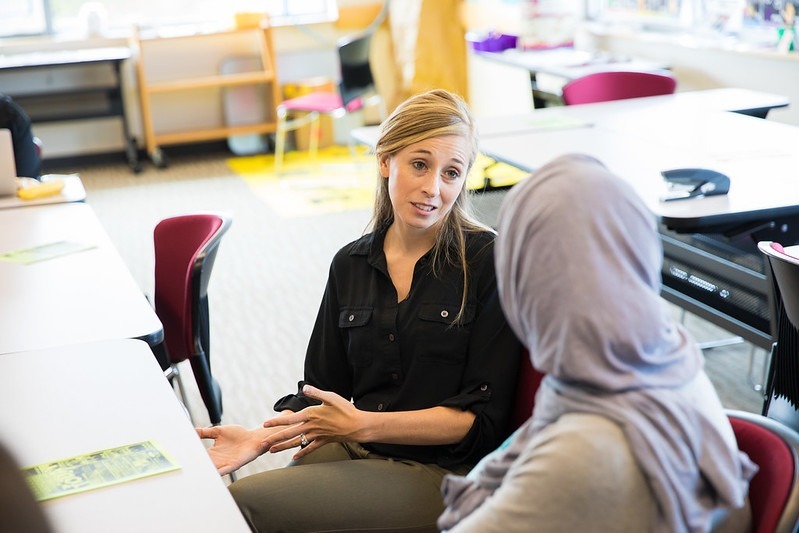
A master’s in special education can help you become a stronger and more effective teacher by strengthening your ability to:
1. Understand the Foundations of Disability Studies
In a graduate-level special education program, coursework is often grounded in disability studies. This foundation helps educators understand how disability intersects with learning, identity, and inclusive policy, while building the practical, technical, and interpersonal skills needed to effectively support students in diverse educational settings.
2. Master Differentiated and Inclusive Instruction
An online master’s in special education goes beyond theory by emphasizing practical instructional strategies educators can apply across grade levels. Through engaging coursework, teachers develop skills to differentiate instruction, adapt curriculum, and design inclusive learning experiences that meet a wide range of academic, behavioral, and social-emotional needs.
“Every single child has the ability to learn and be challenged,” Isabella says. “It’s my job to teach using a variety of styles so each student can succeed.”
3. Use Data to Guide Decision-Making
Evidence-based teaching is essential in today’s complex educational landscape. Graduate-level coursework prepares educators to collect, analyze, and interpret assessment data to monitor student progress and adjust instructional and intervention strategies as needed to support individual learners.
4. Lead Inclusive School Initiatives
Students with diverse learning needs benefit from educators who can advocate for inclusive practices. A master’s in special education helps teachers develop the leadership skills needed to contribute to inclusive initiatives, support collaboration among educators and support teams, and promote equitable learning environments at the classroom and school level.
Career Paths You Can Pursue With an Online Master’s in Special Education
An advanced degree expands opportunities both inside and outside the classroom, allowing graduates with a master’s in special education to pursue a wide range of special education careers.
1. Special Education Teacher
Special education teachers work directly with students in inclusive classrooms, resource rooms or self-contained settings. They are responsible for assessing the needs of students in their classroom, developing instructional strategies that meet those needs, planning inclusive learning experiences, and assessing the performance of students to track their progress.
2. Inclusion Specialist or Instructional Support Teacher
Inclusion specialists and instructional support teachers work within school buildings to support general education teachers in implementing inclusive instructional strategies across classrooms. These professionals help bridge gaps by providing guidance, modeling best practices, and supporting targeted interventions that promote student access, engagement, and success in inclusive learning environments.
3. Learning Disabilities Teacher-Consultant (LDTC)
A Learning Disabilities Teacher-Consultant (LDTC) is a specialized educator who collaborates with teachers and administrators to support students with disabilities. LDTCs assess individual learning needs, contribute to eligibility and instructional planning, and recommend evidence-based strategies to support inclusive classroom environments.
This role typically requires additional, state-specific certification beyond a master’s degree in special education.
4. IEP Coordinator or Case Manager
Students with disabilities often require an Individualized Education Program (IEP) to access appropriate supports and services. IEP coordinators and case managers work within school settings to identify students who may need an IEP, oversee the development and implementation of IEPs, and ensure that accommodations and services are delivered as outlined. These professionals collaborate closely with families, educators, and school leadership to support compliance and meet students’ individualized learning needs.
Why Choose Rowan’s Online M.A. in Special Education?
Rowan University offers an online Master of Arts in Special Education and Inclusive Practices grounded in disability studies and inclusive education. Designed for working educators, the program combines flexibility with academic rigor to support teachers serving students with diverse learning needs.
Students like Isabella M. experience the impact of their learning right away.
“Pursuing my master’s has allowed me to deepen my understanding and strengthen my skills as a teacher of students with multiple disabilities,” she says.
Fully Online and Designed for Working Teachers
Educators enrolled in Rowan’s online master’s in special education complete asynchronous coursework that fits their schedules while remaining mindful of state-specific requirements. Whether coursework is completed during planning periods or in the evenings, the program allows teachers to advance their education without stepping away from the classroom.
Expert Faculty with Real Classroom Experience
All coursework is taught by experienced faculty who bring extensive backgrounds in special education, inclusive instruction, and disability services into the learning environment. Faculty members connect theory to practice by drawing on real-world classroom experience, helping educators apply what they learn directly to their own teaching contexts.
Curriculum Built Around Inclusive, Equity-Focused Practice
The curriculum emphasizes the educational, psychological, and sociological needs of children and youth with disabilities. Courses focus on inclusive, culturally responsive instruction and the use of multi-tiered systems of support to serve diverse learners. Graduates are prepared to advocate for students with a wide range of learning needs and contribute meaningfully to inclusive classroom and school environments.
Ready to Make a Bigger Impact in Your Inclusive Classroom?
As student needs continue to grow more complex, educators are increasingly called upon to provide individualized support and advocate for inclusive learning environments. An online master’s in special education can help teachers strengthen their instructional practice, deepen their understanding of diverse learners, and become more effective advocates for students with disabilities and learning differences.
Why Pursue a Special Education Degree Through Rowan?
Rowan University is now the fastest-growing public research institution in the Northeast, largely due to its flexible programming and high-quality educational experience. The online Master of Arts in Special Education degree is designed for working educators who want to pursue special education careers, equipping graduates with the extensive knowledge, understanding and specialized skills required to work with students of all learning abilities.
About Rowan Online
Rowan Online empowers learners throughout the region with high-quality, accessible and affordable online education backed by the innovation and forward-thinking of Rowan University. Rowan’s flexible online programs seamlessly connect students to award-winning faculty and industry leaders, comprehensive student support services and academic resources—no matter where they are.
In collaboration with Rowan’s nationally ranked colleges and schools, Rowan Online delivers bachelor’s, master’s and doctoral programs in high-demand, future-focused fields. Guided by employer insight and industry-driven curriculum, Rowan Online prepares students to excel in a rapidly evolving workforce and lead in their professions and communities.