
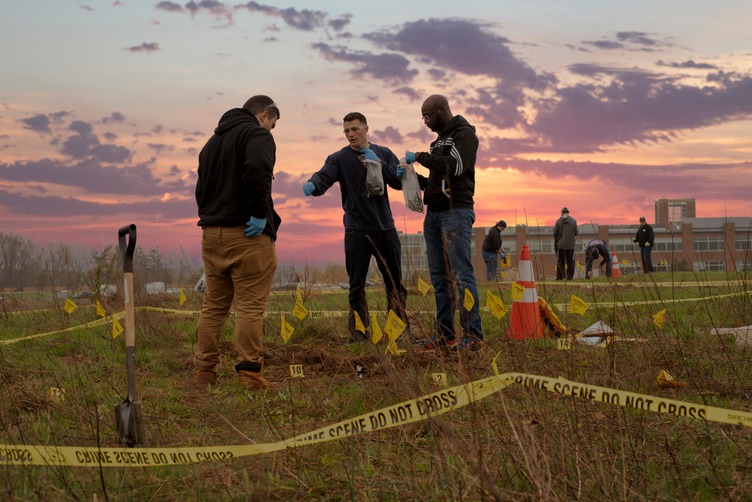
Emergency management professionals plan for situations most people hope never occur. Their work may involve assessing risk, developing preparedness plans, coordinating resources and helping organizations respond to and recover from emergencies.
Because the field combines long-term planning with the possibility of rapidly changing conditions, it requires a distinctive mix of skills. Emergency management professionals often need to analyze information, communicate across teams, follow established procedures and adapt when events do not unfold as expected.
So, is emergency management right for you? No single personality type guarantees success, but certain traits, skills and work preferences may indicate that the field aligns with your strengths.
Signs a Career in Emergency Management May Be a Good Fit
1. You Stay Composed When Conditions Change
Emergency management professionals may need to process new information and adjust priorities quickly. Even roles centered primarily on planning can involve changing risks, operational needs or organizational circumstances.
Remaining composed does not mean feeling no stress. It means being able to slow down, assess what is known and make a thoughtful decision without becoming overwhelmed by uncertainty.
This may be a strong career fit if you can:
- Separate urgent issues from less immediate concerns
- Focus on reliable information
- Make decisions without having every possible detail
- Reassess your approach when conditions change
- Communicate calmly during uncertainty
These abilities are valuable in emergency operations, but they also matter during planning exercises, policy changes and organizational disruptions.
2. You Think Ahead and Notice Potential Risks
Much of emergency management occurs before an incident. Professionals examine possible hazards, identify vulnerabilities and develop plans intended to reduce disruption and protect people, property and operations.
This requires the ability to consider questions such as:
- What could interfere with normal operations?
- Who or what could be affected?
- Which resources would be needed?
- Where could communication or coordination break down?
- How could an organization prepare before an incident occurs?
People who naturally look beyond immediate tasks and consider possible outcomes may be well suited to preparedness, mitigation and continuity planning.
3. You Appreciate Structure and Clear Procedures
Emergency management relies on plans, policies, defined responsibilities and established systems of coordination. Professionals must understand how their responsibilities connect with the work of other departments, agencies or organizations.
You may enjoy this type of work if you value:
- Clearly defined roles
- Organized planning processes
- Detailed documentation
- Consistent procedures
- Training and preparedness exercises
- Shared systems for coordinating a response
Following a plan does not eliminate the need for judgment. Effective professionals understand both how a system is designed to work and when changing circumstances require an adjustment.
4. You Can Adapt Without Losing Sight of the Goal
Emergencies do not always unfold according to plan. New information, limited resources or changing conditions may require professionals to modify their approach.
Adaptability is therefore one of the most important emergency management personality traits. The goal is not to abandon structure but to use it as a foundation for making informed adjustments.
Strong adaptability may involve:
- Revising priorities as new information emerges
- Considering alternative courses of action
- Remaining focused on safety and continuity
- Learning from exercises and past incidents
- Updating plans when risks or resources change
This balance between structure and flexibility is central to many crisis and emergency management careers.
5. You Communicate and Collaborate Across Teams
Emergency management is highly collaborative. Depending on the setting, professionals may work with public safety agencies, healthcare organizations, government offices, nonprofit organizations, schools, businesses and community partners.
No single department can manage every aspect of a complex incident. Progress often depends on whether people with different responsibilities can exchange information and coordinate their efforts.
Useful communication skills include:
- Explaining complex information clearly
- Listening to people with different areas of expertise
- Confirming roles and expectations
- Sharing updates accurately
- Documenting decisions
- Adjusting messages for different audiences
- Maintaining professionalism during disagreement
Professionals who prefer individual work with limited interaction may find some roles less appealing. Those who enjoy bringing people together around a shared objective may find the field rewarding.
6. You Are Reliable and Follow Through
Preparedness depends on details being completed before they become urgent. Plans must be updated, contacts verified, resources documented and exercises evaluated.
A missed step may create problems later, so reliability is one of the most valuable skills needed for crisis management careers.
People who thrive in the field often:
- Take ownership of assigned responsibilities
- Meet deadlines
- Keep accurate records
- Notice gaps or inconsistencies
- Follow up after meetings or exercises
- Complete routine work with the same care as urgent work
Emergency management is not defined only by dramatic response situations. Much of its effectiveness depends on consistent work performed well in advance.
7. You Want Work With a Clear Purpose
Emergency management can appeal to people who want their work to support public safety, organizational resilience or community well-being.
The field includes opportunities in government, healthcare, education, public safety, nonprofit organizations and private industry. Responsibilities may involve emergency planning, business continuity, homeland security, public health preparedness, risk assessment or disaster policy.
The work can carry significant responsibility, but it can also provide a strong sense of purpose for professionals who want to help organizations and communities prepare for difficult situations.
What Is an Emergency Management Work Environment Like?
Emergency management is a broad field, so work environments vary by role and employer. Some professionals focus primarily on office-based planning, policy, training and analysis. Others may support emergency operations or respond when incidents occur.
Much of the Work Involves Planning
Not every day is spent responding to an active emergency. Common responsibilities may include:
- Developing and reviewing emergency plans
- Conducting risk or threat assessments
- Coordinating training exercises
- Evaluating policies and procedures
- Maintaining resource and contact information
- Meeting with internal and external partners
- Reviewing lessons learned after exercises or incidents
Preparedness work helps organizations establish the relationships and systems they may need during an emergency.
Collaboration Is Ongoing
Professionals frequently coordinate with people who have different roles, priorities and areas of expertise. This makes communication, relationship-building and shared planning important parts of the job.
Some Roles Require Schedule Flexibility
Many positions maintain regular schedules most of the time. However, emergencies, exercises or emerging risks may occasionally require work outside normal hours.
The level of unpredictability depends on the position. Someone working in policy or planning may have a different schedule from a professional responsible for emergency operations.
Is Emergency Management a Good Career?
Emergency management can be a good career for people whose skills and interests align with planning, public safety, coordination, risk assessment and organizational problem-solving.
A good career is also a personal determination. Before pursuing the field, consider:
- The types of organizations you would like to support
- Whether you prefer planning, policy, analysis or operations
- Your comfort with responsibility and uncertainty
- Your willingness to work across departments or agencies
- The education and experience required for your target roles
- The schedule and working conditions associated with those roles
Reviewing current job descriptions can help you understand how responsibilities differ across employers and identify the qualifications that appear most often.
How Can You Explore Your Emergency Management Career Fit?
Review Different Career Paths
Emergency management includes roles related to:
- Emergency preparedness
- Business continuity
- Disaster recovery
- Homeland security
- Public health preparedness
- Threat assessment
- Emergency planning
- Crisis communication
- Community resilience
Comparing roles can help you identify which part of the field best matches your strengths.
Seek Relevant Experience
Depending on your background and location, you may be able to explore the field through internships, professional associations, community preparedness initiatives, volunteer opportunities or responsibilities within your current organization.
Look for experiences that provide realistic exposure and appropriate training.
Reflect on Your Current Work Style
Consider how you respond when priorities shift, how well you collaborate across teams and whether you enjoy planning for possible problems.
You may already use relevant skills in public safety, healthcare, education, government, military service, operations, communications or project management.
Speak With Professionals in the Field
Informational conversations can help you understand different roles, work environments and career paths. Ask professionals which parts of their work are most rewarding, most challenging and most different from what they expected.
Who Should Study Emergency Management?
Emergency management may appeal to professionals seeking to enter or advance in government, public safety, homeland security, healthcare preparedness, organizational resilience or related fields.
Graduate study may be appropriate for people who want to deepen their understanding of:
- Emergency planning and coordination
- Threat and risk assessment
- Incident management
- Disaster policy
- Organizational leadership
- Community resilience
- Research and analysis
A graduate degree does not replace professional experience, certifications or role-specific training. It can, however, help students build a broader understanding of the systems, policies and leadership principles that shape the field.
Explore Rowan’s MS in Emergency & Threat Response Management
Rowan University’s Master of Science in Emergency & Threat Response Management is offered fully online and in person.
The program is designed to prepare students for positions in emergency management, homeland security and related government and industry settings. Its curriculum balances theory and practice through a multi-hazard approach to disasters and crises.
The fully online option can provide added flexibility for working professionals who want to continue meeting their personal and professional responsibilities while completing graduate study.
Frequently Asked Questions About Emergency Management Career Fit
What personality traits are useful in emergency management?
Useful emergency management personality traits may include composure, reliability, adaptability, attention to detail, collaboration and an ability to consider both immediate concerns and long-term consequences. Different positions may emphasize different strengths.
What skills are needed for crisis management careers?
Common skills include planning, risk assessment, communication, teamwork, decision-making, documentation and change management. Some roles may also require technical, regulatory or incident-specific knowledge.
Should I go into emergency management?
Emergency management may be worth considering if you enjoy structured planning, collaborative problem-solving and work with a public safety or organizational purpose. Review different roles carefully because schedules, responsibilities and qualifications vary.
Is emergency management only about responding to disasters?
No. Much of the field focuses on preparedness, mitigation, planning, training, policy and recovery. Active response is only one part of the broader emergency management cycle.
Can you earn an emergency management degree online?
Yes. Rowan University offers an online MS in Emergency & Threat Response Management, as well as a face-to-face format.
About Rowan
A top 100 national public research institution, Rowan University offers bachelor’s through doctoral and professional programs in person and online to nearly 25,000 students. The fastest-growing public research institution in the Northeast and among the country’s top 10 fastest-growing, Rowan offers a thriving multidisciplinary environment with a strong emphasis on practical research in health care, engineering, science and business, while ensuring excellence in undergraduate education. Nationally recognized for innovation, high-quality, affordable education and public-private partnerships, Rowan is one of two universities in the U.S. to offer M.D., D.O. and D.V.M. degree programs.