
Behind every exhibition, performance, arts education program or community event is work that helps make the creative experience possible.
That work can include developing programs, managing budgets, building audiences, raising funds, coordinating productions and helping arts organizations plan for the future.
So, what can you do with an MA in Arts Administration?
Depending on your experience, interests and the needs of an organization, arts administration career paths can include program management, fundraising and development, audience engagement, education and outreach, curatorial work, performing arts management and organizational leadership. Professionals may work in museums, galleries, theaters, performing arts centers, foundations, community organizations and other arts and cultural institutions.
A graduate degree does not guarantee a particular role or level of advancement. But an MA in Arts Administration can help you build management and leadership knowledge specifically within the context of arts and cultural organizations.
What Is Arts Administration?
Arts administration connects the creative work of the arts with the management needed to develop and sustain arts and cultural organizations.
The Association of Arts Administration Educators (AAAE) defines arts administration as a field that gives graduates tools to create, develop, facilitate and evaluate arts and cultural programs and organizations. Arts administrators bridge the creative world with managerial, financial and programmatic skills.
Depending on the organization and position, arts administration work can involve:
- Organizational leadership
- Program planning
- Production management
- Fundraising and development
- Budgeting and resource management
- Marketing and audience development
- Community engagement
- Education and outreach
- Curatorial programs
- Advocacy and cultural policy
You may also see terms such as arts management, arts leadership, cultural management, cultural policy and creative industries used for related areas of work.

Arts Administration Career Paths at a Glance
| Career Area | What the Work May Involve | Example Roles |
|---|---|---|
| Program and organizational leadership | Developing programs, coordinating teams and helping guide organizational strategy | Arts foundation program director, music school executive director |
| Performing arts management | Coordinating programming, productions, venues, artists and operations | Performing arts center managing director, symphony director, community theatre founder/director |
| Museum and gallery administration | Supporting exhibitions, programming, collections and institutional operations | Museum curator, art gallery owner |
| Education and community engagement | Developing programs that connect arts organizations with schools and communities | Educational outreach coordinator |
| Fundraising and development | Building donor relationships, pursuing funding and supporting organizational resources | Development manager, fundraising manager |
| Audience development and marketing | Building audiences, promoting programs and strengthening patron engagement | Audience development manager, marketing manager |
| Arts entrepreneurship | Building or managing an arts-focused organization or venture | Dance studio owner, nonprofit entrepreneur, art gallery owner |
Many of those examples align directly with career outcomes Rowan identifies for graduates of its MA in Arts Administration.
Titles and responsibilities can vary considerably by organization. A small community theater, for example, may combine programming, marketing and fundraising responsibilities within one position, while a larger cultural institution may have specialized teams for each function.
Where Can You Work in Arts Administration?
Arts administration is not tied to one type of organization.
The AAAE identifies employers across areas such as museums, galleries, theaters, orchestras, dance companies, foundations, festivals, arts councils and arts education centers.
The broader arts and cultural sector is also economically significant. According to the National Endowment for the Arts and Bureau of Economic Analysis (BEA), arts and cultural production contributed $1.2 trillion, or 4.2% of U.S. GDP, in 2023. Nearly 5.4 million workers were employed in arts and cultural industries that year.
Museums and Galleries
Museum administration jobs can involve much more than working with collections.
Depending on the institution and position, professionals may contribute to:
- Exhibition planning
- Educational programming
- Community engagement
- Fundraising
- Marketing
- Visitor experience
- Institutional operations
- Curatorial work
A museum curator is a more specific occupation centered on areas such as collections, research, exhibitions and interpretation. Arts administration can also encompass broader management and operational work that helps a museum or gallery function.
Potential career paths for graduates of Rowan’s MA in Arts Administration include museum curator and art gallery owner.
Performing Arts Organizations
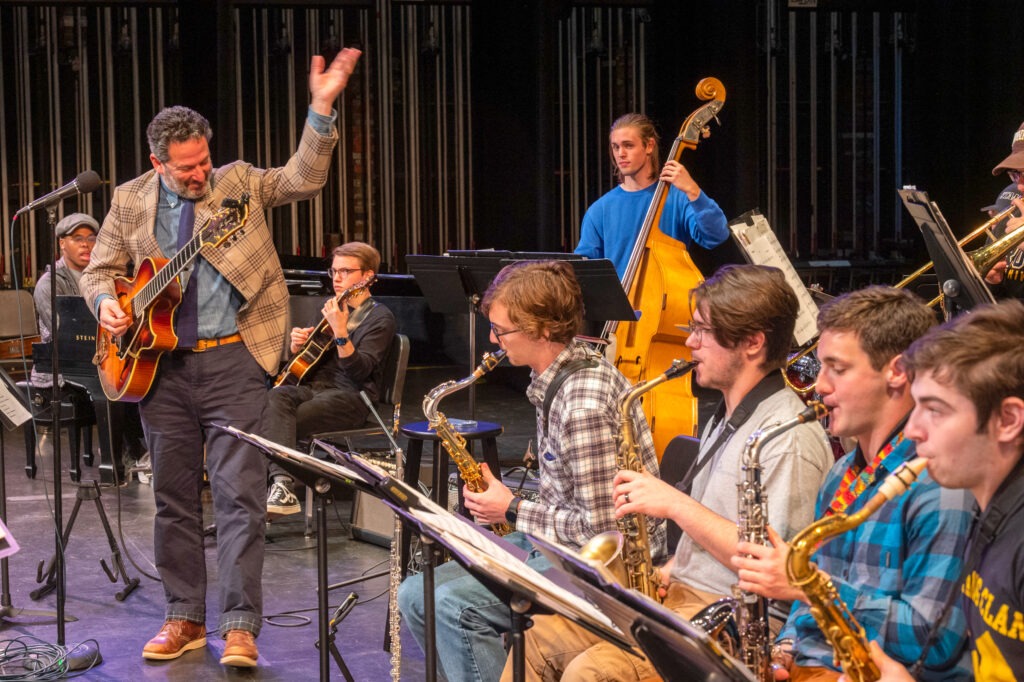
Performing arts management careers can be found in theaters, dance companies, orchestras, music schools, performing arts centers and other venues.
The work may include coordinating:
- Programming
- Production schedules
- Artists and performers
- Budgets
- Ticketing and patron services
- Marketing
- Fundraising
- Education and outreach
- Facility or event operations
Graduates may pursue roles such as performing arts center managing director, symphony director, community theatre founder and director, or music school executive director.
Nonprofit Arts Organizations
Many arts and cultural organizations operate as nonprofits, making nonprofit management skills especially relevant to the field.
Nonprofit arts careers may involve:
- Fundraising and donor relations
- Grant development
- Community programming
- Marketing
- Board relations
- Volunteer coordination
- Budget management
- Strategic planning
Professionals may specialize in one of these functions or work across several, depending on the size and structure of the organization.
Community and Cultural Organizations
Arts administrators can also work for organizations focused on bringing cultural experiences directly into communities.
Potential work can include arts education, public programming, cultural events, outreach, advocacy and partnerships with schools or community organizations.
For someone interested in connecting arts organizations with the people they serve, these roles can provide a pathway into education, outreach and community engagement.
What Does an Arts Administrator Actually Do?
There is no single arts administrator job description.
Responsibilities depend on the organization, its size and the particular role. One person may spend much of the week developing programs and coordinating events, while another focuses primarily on fundraising, budgeting or audience strategy.
Several functions appear across many arts management roles.
Plan Programs and Productions
Arts organizations need people who can turn ideas into programs, performances, exhibitions or events.
Depending on the organization, that could involve:
- Developing schedules
- Coordinating artists or performers
- Managing timelines
- Working with venues
- Supporting production logistics
- Coordinating vendors
- Monitoring budgets
- Evaluating programs
This work can take place in museums, galleries, festivals, theaters, music organizations and community arts programs.
Manage Budgets and Resources
Creative ideas also have to work within an organization’s available resources.
Arts administrators may participate in budgeting, forecasting, purchasing, resource allocation or financial planning, depending on their role.
Rowan’s own program emphasizes budgeting and forecasting as part of the management knowledge students can develop.
Build Audiences
Arts organizations need to understand whom they serve and how to connect audiences with their programming.
Audience development can involve:
- Identifying potential audiences
- Supporting marketing campaigns
- Strengthening patron relationships
- Evaluating participation
- Developing outreach strategies
- Considering how programming connects with community interests
Rowan’s curriculum includes a dedicated Audience Development course, reflecting the importance of this work within arts organizations.
Raise Funds and Build Support
Development professionals help arts organizations cultivate the financial support needed to advance their missions.
Depending on the position, that work can include:
- Donor communications
- Fundraising campaigns
- Sponsorships
- Grant proposals
- Fundraising events
- Stewardship
- Institutional giving
Fundraising is not part of every arts administration job, but it is an important function within many nonprofit and cultural organizations. Rowan’s curriculum includes Fundraising and Development for the Arts.
Coordinate Across Creative and Administrative Teams
Arts administration is highly collaborative.
Depending on your organization, you could work with:
- Artists
- Performers
- Curators
- Educators
- Production staff
- Marketing professionals
- Development teams
- Community partners
- Board members
- Donors and sponsors
Arts administrators often help turn artistic ideas into plans, budgets, timelines and decisions that multiple groups can act on.

What Skills Matter in Arts Administration?
Arts administration combines creative understanding with organizational and leadership skills.
Leadership and Decision-Making
As responsibilities grow, arts administrators may need to set priorities, manage teams, solve problems and make decisions that affect programming and organizational strategy.
Communication
The field involves communicating with people who approach the arts from different perspectives.
You may need to explain a program to a funder, coordinate with an artist, present an idea to leadership or communicate with community members.
Planning and Organization
Productions, exhibitions, fundraising initiatives and education programs can involve numerous timelines and stakeholders.
Being able to organize details while keeping the broader goal in mind is useful across many arts administration career paths.
Financial Understanding
You do not need to be an accountant to work in arts administration, but many management roles benefit from understanding budgets, revenue, expenses and resource allocation.
Audience and Community Awareness
Arts organizations exist in relationship with the audiences and communities they serve.
Understanding who participates, how people engage and how programming connects with community interests can influence marketing, education, outreach and strategic planning.
How Can Arts Administration Careers Develop Over Time?
There is no single career ladder in arts administration.
Someone might begin in programming, education, marketing, patron services or development and gradually take on responsibility for larger programs, teams or organizational strategy.
Others may specialize more deeply in a particular area.
Program and Organizational Leadership
Professionals with experience managing programs may eventually pursue positions involving team leadership, strategy or oversight of broader portfolios.
Depending on the organization and a person’s experience, titles might include program director, managing director or executive director.
Fundraising and Development Leadership
Someone who builds experience with grant writing, donor relations or fundraising campaigns may move toward positions such as development manager or development director.
A graduate degree can help build relevant knowledge, but senior leadership roles may also require substantial professional experience.
Audience, Education and Community Engagement
Professionals may specialize in how arts organizations connect with audiences and communities.
That can lead toward work in:
- Audience development
- Arts education
- Outreach
- Public programming
- Community partnerships
Arts Entrepreneurship
Arts administration skills can also be relevant to people interested in starting or managing their own arts-focused organizations. Examples may include opening an art gallery, running a dance studio, launching a community theater or starting a nonprofit arts organization.
Do You Need a Master’s Degree for Arts Administration Jobs?
Not every arts administration job requires a master’s degree.
Education and experience requirements differ by occupation and employer. Some professionals enter the field with undergraduate education and build experience through arts organizations, internships or related work. Others pursue graduate education to strengthen management skills, prepare for greater responsibility or transition from creative or other professional backgrounds into arts administration.
A master’s in arts administration may make sense if you want to develop deeper knowledge in areas such as:
- Leadership
- Arts planning
- Audience development
- Producing
- Education and outreach
- Curatorial practice
- Fundraising and development
- Arts advocacy and policy
The value of the degree ultimately depends on your experience, career goals and the kinds of arts administration jobs you want to pursue.
What Does an MA in Arts Administration Cover?
An MA in Arts Administration combines graduate-level management and leadership education with the particular needs of arts and cultural organizations.
That distinction matters.
A general management program might address leadership, budgeting and strategy across industries. Arts administration applies those concepts within environments where artistic programming, fundraising, audiences, education, cultural policy and community engagement can influence organizational decisions.
Rowan University’s MA in Arts Administration curriculum includes courses in:
- Arts Administration Leadership
- Arts Planning
- Audience Development
- Producing and the Arts
- Education and Outreach Programs in the Arts
- Curatorial Practice in the Arts
- Fundraising and Development for the Arts
- Arts Advocacy and Policy
Students also complete a production/performance/arts administration project and either an independent study or internship option. Rowan’s program requires 30 graduate semester hours across 10 courses.
Those subjects connect directly with several of the career paths discussed above. Audience development relates to marketing and engagement roles. Fundraising coursework connects with development careers. Curatorial practice relates to museum and gallery settings. Producing connects with performing arts management. Education and outreach coursework aligns with community programming.
Explore Rowan University’s MA in Arts Administration
Rowan University’s Master of Arts in Arts Administration, offered through the College of Performing Arts, welcomes recent graduates, working professionals and professionals seeking a career change.
The program is:
- Part time
- 30 graduate semester hours
- 10 courses
- Structured so students can complete most, or possibly all, coursework online
- Designed so the degree may be completed in as few as six consecutive semesters
It is a campus-based program designed with flexibility in mind, with online courses that combine asynchronous learning and live interactive sessions.
The program is accredited by the National Association of Schools of Theatre (NAST) and uses an applied curriculum led by faculty who are practitioners.
For students who want to help shape the organizations that make artistic and cultural experiences possible, arts administration can provide a way to combine an interest in the arts with leadership, strategy, community engagement and organizational management.
“I took the knowledge I learned and used it for my theatre company. Our goal was to create a sustainable arts organization and that is something we achieved.”
Jessica H., Ocean County, NJ
“Rowan’s program helped position me to grow along with my company. In four years, I quadrupled the budget and added six full-time staff.”
Melissa T., Reno, NV

Frequently Asked Questions About Arts Administration Careers
What is arts administration?
Arts administration is the management and leadership work that helps arts and cultural programs and organizations develop and operate. It can include program planning, budgeting, fundraising, marketing, audience development, community engagement, education, production and organizational leadership.
What jobs can you get with an arts administration degree?
Arts administration degree jobs may include program director, educational outreach coordinator, gallery owner or manager, museum curator, performing arts manager, development professional, music school executive director and other leadership or administrative roles in arts and cultural organizations. The positions available to you will depend on your experience, skills and employer requirements.
Where do arts administrators work?
Arts administrators can work in museums, galleries, theaters, performing arts centers, orchestras, dance companies, foundations, festivals, nonprofit arts organizations, arts education centers and other cultural organizations.
What are some museum administration jobs?
Museum administration jobs may involve programming, development, marketing, education, visitor experience, operations or organizational leadership. Curatorial work is another museum career area focused more specifically on collections, research and exhibitions.
What are some performing arts management careers?
Performing arts management careers can include program and production management, audience services, development, marketing, education and organizational leadership within theaters, dance companies, orchestras, music organizations and performing arts centers.
What are nonprofit arts careers?
Nonprofit arts careers can include fundraising and development, grant management, community engagement, education, programming, marketing, operations and organizational leadership. Responsibilities depend on the mission, size and structure of the organization.
Do you need a master’s degree to work in arts administration?
Not necessarily. Education and experience requirements vary by job and employer. A master’s degree can help you build specialized knowledge in arts leadership, planning, fundraising, audience development and other management areas, particularly if you want to expand your skills, pursue greater responsibility or transition into arts administration from another professional or creative background.
What can you do with a master’s in arts administration?
A master’s in arts administration can help you build knowledge relevant to leadership and management roles across museums, galleries, performing arts organizations, nonprofits, community programs and other cultural organizations. Potential career paths can include program leadership, development, audience engagement, education and outreach, curatorial work, performing arts management and arts entrepreneurship.
About Rowan
A top 100 national public research institution, Rowan University offers bachelor’s through doctoral and professional programs in person and online to nearly 25,000 students. The fastest-growing public research institution in the Northeast and among the country’s top 10 fastest-growing, Rowan offers a thriving multidisciplinary environment with a strong emphasis on practical research in health care, engineering, science and business, while ensuring excellence in undergraduate education. Nationally recognized for innovation, high-quality, affordable education and public-private partnerships, Rowan is one of two universities in the U.S. to offer M.D., D.O. and D.V.M. degree programs.