

Choosing how you want to learn can be just as important as choosing what you want to study. Online, hybrid and in-person programs can all provide meaningful learning experiences, but each offers a different balance of flexibility, structure and interaction.
Instead of asking which learning format is best overall, consider which one best fits your schedule, responsibilities, learning preferences and goals.
Understanding the differences between online, hybrid and in-person programs can help you choose a format that gives you the support and flexibility you need to make consistent progress toward your degree.
What’s the Difference Between Online, Hybrid and In-Person Programs?
The main difference between online, hybrid and in-person programs is where and how you complete your coursework.
Online programs allow you to complete most or all coursework remotely. Hybrid programs combine online learning with scheduled in-person experiences. In-person programs primarily require you to attend classes on campus.
The best learning format depends on your schedule, preferred level of structure, need for flexibility and the requirements of your specific program.
| Program Format | How You Learn | May Be a Good Fit If You… |
|---|---|---|
| Online | Complete most or all coursework remotely | Need location flexibility or want to continue working while studying |
| Hybrid | Combine online coursework with scheduled in-person experiences | Want flexibility while maintaining some face-to-face interaction |
| In Person | Attend regularly scheduled classes on campus | Prefer consistent classroom structure and frequent in-person interaction |
Start With Your Schedule and Goals
Before comparing program formats, start with your own life.
You may be balancing full-time work, parenting, caregiving or other responsibilities alongside your education. You may also have preferences around commuting, classroom interaction and how independently you like to work.
The right format is the one that gives you a realistic path to keep progressing toward your goals.
Questions to Ask Yourself Before Comparing Formats
Consider:
- What is my current work schedule?
- What personal or family responsibilities do I need to accommodate?
- How much flexibility do I need during the week?
- Am I comfortable managing coursework independently?
- Do I prefer regular face-to-face interaction?
- How much time can I realistically spend commuting?
- Does my program require labs, clinical experiences, fieldwork or other in-person activities?
- Do I prefer scheduled class times or more control over when I complete coursework?
Your answers can help you narrow your options before you begin comparing individual programs.
Online Learning May Be Right If Flexibility Is Your Top Priority
Online learning can be a strong option if you need greater control over where you complete your coursework.
This flexibility can be particularly helpful when commuting to campus regularly would make it more difficult to balance education with work, family or other responsibilities.
Students Who May Benefit From Online Programs
Online learning may appeal to:
- Professionals working full-time
- Parents and caregivers
- Career changers
- Students who live farther from campus
- Students who are comfortable working independently
- Learners who need greater location flexibility
“The flexibility of online learning has made it possible for me to pursue my education without sacrificing time with my family or falling behind at work. Being able to complete assignments on my own schedule, whether that’s early in the morning before my kids wake up or late at night after everyone’s asleep, has been a huge advantage.” – Gabrielle F., Rowan Online B.A. in Psychology student

Hybrid Learning May Be Right If You Want Flexibility and In-Person Interaction
Hybrid programs combine online coursework with scheduled in-person learning.
The exact balance varies. Some programs may require regular campus visits, while others may bring students together only for specific classes, labs, meetings or experiences.
Hybrid learning benefits students who want some of the flexibility of online coursework while still having opportunities for face-to-face interaction.
Students Who May Benefit From Hybrid Programs
Hybrid learning may appeal to:
- Students who want both flexibility and classroom engagement
- Learners who value face-to-face interaction
- Students who can accommodate occasional campus requirements
- Students in programs that include hands-on experiences
- Learners who want some independence while maintaining scheduled structure
Before choosing a hybrid program, make sure you know how often you will actually need to be on campus.
In-Person Learning May Be Right If Structure and Campus Interaction Matter to You
In-person programs provide a primarily campus-based learning experience with regularly scheduled classes.
This format can be a strong fit if you prefer consistent classroom structure, frequent face-to-face interaction with faculty and classmates or greater access to campus activities and resources.
Students Who May Benefit From In-Person Programs
An in-person program may appeal to:
- Students who prefer a consistent class schedule
- Learners who enjoy classroom discussion
- Students who value frequent face-to-face faculty interaction
- Students who want greater involvement in campus life
- Learners whose programs include significant hands-on components
The tradeoff is that in-person programs generally require you to plan around fixed class times and, depending on where you live, travel to and from campus.
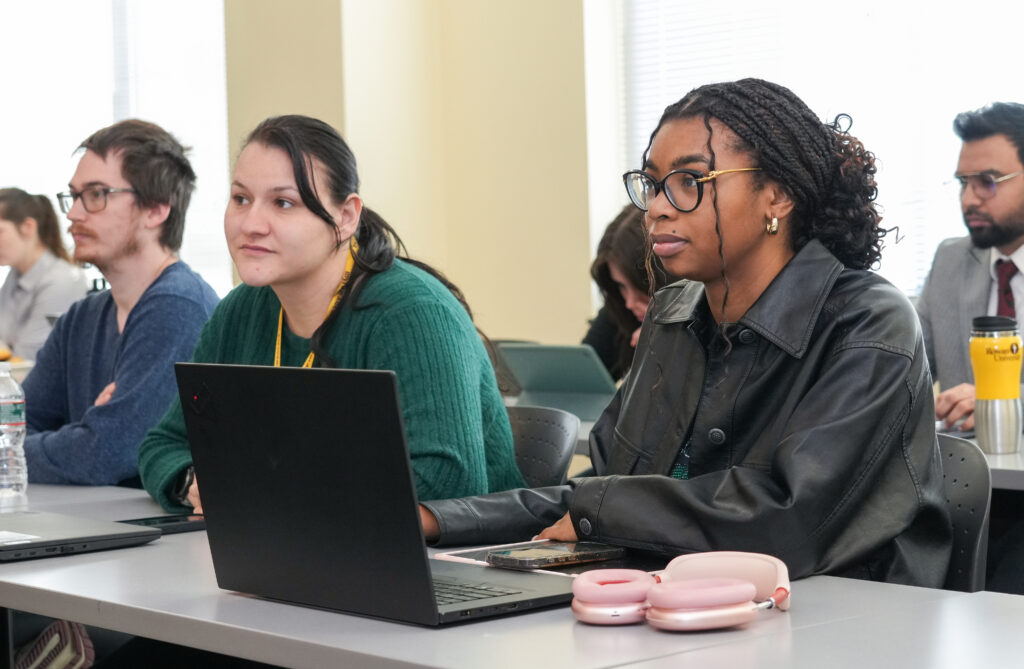
What Are You Gaining and Giving Up With Each Format?
Every learning format involves tradeoffs.
Greater schedule and location flexibility may require more independent time management. Greater in-person structure may provide regular face-to-face interaction but require more commuting and less control over when you attend class.
Hybrid programs can provide a middle ground, but they still require students to plan around scheduled campus experiences.
Online vs. Hybrid vs. In-Person Programs at a Glance
| Factor | Online | Hybrid | In Person |
|---|---|---|---|
| Location | Primarily remote | Online and on campus | Primarily on campus |
| Schedule flexibility | Often higher, depending on course design | Moderate to high | Usually more structured |
| Commuting | Usually limited or none | Required periodically | Usually required regularly |
| Interaction | Primarily virtual interaction | Mix of virtual and in-person interaction | Primarily in-person interaction |
| Independent learning | Often requires more self-directed time management | Mix of independent and structured learning | Often includes more scheduled classroom structure |
| Hands-on components | Depends on program | May incorporate on-site experiences | Often easier to incorporate regularly |
| Campus experience | Limited | Some | Most extensive |
| May work well for | Students prioritizing flexibility and location independence | Students wanting flexibility plus some campus interaction | Students preferring regular campus-based structure |
Which Format Works Best for Working Adults?
Online programs often offer the greatest flexibility for working adults because they can reduce or eliminate regular trips to campus.
However, the best format depends on your work schedule and the structure of the individual program.
A hybrid program may work well if you can accommodate occasional campus requirements. An in-person program may also be manageable if your job allows you to attend classes at consistent times.

Look Beyond Convenience
If you are balancing work and college, consider:
- Your work hours
- Whether your schedule changes from week to week
- Your ability to attend regularly scheduled classes
- Your commute
- Your preferred level of structure
- Your ability to set aside consistent study time
- The support available to you
Flexibility matters, but the best format is ultimately the one you can sustain.
What If Your Program Requires Hands-On Learning?
Some degree programs include labs, clinical experiences, fieldwork, performances, practicums or other activities that require hands-on participation.
In these cases, an in-person or hybrid program may provide necessary on-site experiences while still offering flexibility for other coursework.
Some online programs may also combine remote coursework with required experiential components completed at an approved location.
Before choosing a program, ask:
- Which parts can be completed online?
- Which activities require in-person attendance?
- Where are hands-on experiences completed?
- How frequently will I need to attend?
- Can required experiences be completed near where I live?
The answers may significantly influence which format works best for you.
How Much Interaction Will You Have With Faculty and Other Students?
Learning format can affect how you interact with faculty and classmates, but online learning does not necessarily mean learning alone.
Online programs may include faculty feedback, virtual discussions, group projects, video meetings and other ways to connect remotely.
Hybrid programs combine digital interaction with scheduled face-to-face experiences, while in-person programs generally provide the most frequent opportunities for classroom interaction.
Rather than assuming one format provides better support, look at how the specific program creates opportunities for students to engage with faculty, classmates and academic resources.
Questions to Ask Before Making Your Final Decision
There is no single best learning format for every student.
Before choosing between an online degree vs. an in-person degree or a hybrid option, make sure you understand not only how the program is labeled but how it actually works.
Final Decision Checklist
Ask yourself:
- Which format aligns with my current responsibilities?
- How much schedule flexibility do I need?
- Am I comfortable completing significant coursework independently?
- Do I prefer scheduled classes?
- How important is face-to-face interaction to me?
- How much time can I devote to commuting?
- Does my program require hands-on experiences?
- Are online courses synchronous, asynchronous or both?
- How frequently would a hybrid program require me to come to campus?
- Which format gives me the most realistic path to completing my degree?
The Best Learning Format Is the One That Fits Your Life
The best learning format is not necessarily the one with the most flexibility or the most face-to-face interaction. It is the format that works with your responsibilities while giving you the structure, support and learning experience you need to keep moving forward.
Online, hybrid and in-person programs can all provide valuable educational experiences. The right choice depends on how you want to learn, how much flexibility you need and what your program requires.
Rather than choosing a format because it is popular or convenient, consider which option gives you the strongest opportunity to make consistent progress toward your academic and career goals.
Explore Flexible Learning Options at Rowan
Rowan University offers online, hybrid and in-person learning opportunities across a range of programs, giving you options for finding a format that fits your schedule, responsibilities and academic goals.
Frequently Asked Questions About Online, Hybrid and In-Person Programs
What is the difference between online, hybrid and in-person classes?
Online classes are completed primarily or entirely remotely. Hybrid classes combine online learning with scheduled in-person activities, while in-person classes primarily require students to attend classes on campus. Exact requirements vary by program.
Are online or hybrid classes more flexible?
Online classes often provide greater location flexibility, while hybrid programs combine remote learning with scheduled campus experiences. Schedule flexibility depends on whether courses are synchronous or asynchronous and how frequently hybrid students must attend in person.
Is an online degree the same as an in-person degree?
Online and in-person programs differ in delivery format, but the academic requirements depend on the institution and individual program. Compare curriculum, accreditation, faculty, learning outcomes and program requirements rather than evaluating a program only by its format.
Are hybrid classes better than online classes?
Neither format is universally better. Hybrid classes may be a good fit if you want online flexibility plus some face-to-face interaction, while fully online programs may be more convenient if regular campus attendance is difficult.
Which learning format is best for working adults?
Online programs can be particularly useful for working adults because they may reduce commuting and provide greater scheduling flexibility. However, the best format depends on your work hours, preferred learning environment and the specific structure of the program.
Can online programs include hands-on requirements?
Yes. Some online programs require internships, clinical experiences, fieldwork, practicums or other experiential learning. Review the program requirements to understand whether any components must be completed in person.
About Rowan
A top 100 national public research institution, Rowan University offers bachelor’s through doctoral and professional programs in person and online to nearly 25,000 students. The fastest-growing public research institution in the Northeast and among the country’s top 10 fastest-growing, Rowan offers a thriving multidisciplinary environment with a strong emphasis on practical research in health care, engineering, science and business, while ensuring excellence in undergraduate education. Nationally recognized for innovation, high-quality, affordable education and public-private partnerships, Rowan is one of two universities in the U.S. to offer M.D., D.O. and D.V.M. degree programs.