
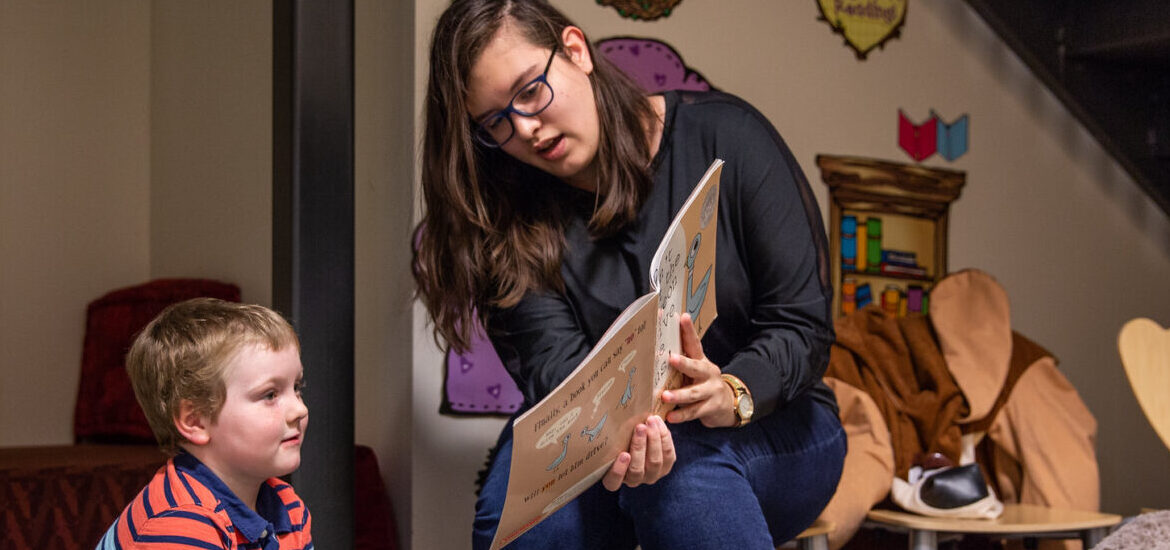
Special education teachers use specialized knowledge and skills to support students with disabilities and help them succeed in the classroom and beyond. This challenging and rewarding work calls for patience, empathy, adaptability and strong communication skills.
While special education and general education share many goals, special education teachers need specialized preparation to address individual learning, behavioral and support needs. They must understand how to adapt instruction, participate in the IEP process, monitor student progress and collaborate with families and other educators.
If you’re considering a career in special education, it helps to understand the skills that can make a difference in your classroom and your students’ lives.
Why Today’s Special Education Teachers Need Specialized Skills
The number of students receiving special education services underscores the importance of educators with specialized knowledge and training.
In 2024, nearly 8.2 million students aged 3–21 received special education and/or related services under the Individuals with Disabilities Education Act (IDEA). That represents approximately 15.5% of all public school students.The most common disability category was specific learning disabilities, followed by speech or language impairments and other health impairments.
Today’s special educators also work within an educational landscape that emphasizes individualized instruction, inclusive practices, positive behavioral supports and collaboration among educators, families and other professionals.
Together, these approaches recognize that students with disabilities have different strengths, needs and goals. Effective special educators need the skills to understand those differences and respond thoughtfully.
1. Differentiated Instruction Skills
Differentiated instruction involves adjusting teaching methods, materials, activities or other aspects of instruction to respond to students’ individual needs.
For special educators, this requires an understanding of different learning profiles as well as the ability to assess student needs and adjust instruction accordingly.
Educators may use different instructional modalities, scaffolds or supports to help students engage with learning in ways that build on their strengths. Knowledge of progress monitoring is key. Teachers need to recognize when a particular approach is working, when a student needs additional support and when instruction should be adjusted.
These skills can help educators provide instruction that supports students’ progress toward their individualized learning goals.
2. Expertise in IEP Development and Implementation
Individualized Education Programs, or IEPs, are central to special education.
An IEP is a written plan developed, reviewed and revised by a multidisciplinary team. It includes information about a student’s present levels of academic achievement and functional performance, measurable annual goals, how progress will be measured and the special education, related services, supplementary aids and other supports the student will receive.
Special educators play an important role in this collaborative process. They may work with general education teachers, families, administrators, related-service providers and students to understand individual strengths and needs and determine appropriate supports.
Understanding the requirements of IDEA related to IEP development and implementation is essential. So is knowing how to translate student information and assessment data into meaningful goals, services and instructional supports.
3. Positive Behavioral Support Strategies
Effective special educators need strategies for understanding and responding to student behavior.
A functional behavior assessment, or FBA, is one tool educators may use to systematically gather information about behavior and identify factors that may be influencing it. The information gathered through an FBA can help educators develop appropriate supports and interventions.
Evidence-based approaches such as Positive Behavioral Interventions and Supports (PBIS) can also help educators establish positive, proactive classroom practices.
Classroom routines should be predictable and supportive. Depending on individual student needs, educators may use visual supports, explicit instruction, prompts, positive reinforcement or other strategies to help students participate successfully.
The goal is not simply to manage behavior. It is to create a classroom environment where students can engage in learning and develop the academic, social and behavioral skills they need.
4. Data Collection and Progress Monitoring Skills
Data can give special educators important information about how students are learning and whether instructional strategies and supports are working.
Teachers may collect information through assessments, observations, assignments, behavioral data and other sources. The challenge is turning that information into something useful.
Special educators need to know how to identify relevant data, recognize patterns and use findings to inform instruction.
Progress monitoring is particularly important because IEPs include measurable annual goals and requirements for measuring and reporting progress toward those goals.
Strong data skills help educators make informed instructional decisions rather than relying solely on assumptions or impressions.
5. Collaboration With General Education Teachers
Special educators work with general education teachers and other school professionals to coordinate instruction, accommodations, services and classroom supports. In inclusive settings, collaboration can help ensure that students receive the support they need while participating meaningfully in the broader school environment.
Effective collaboration requires communication, planning and a willingness to share information and strategies.
It can also mean working together to build accommodations into lessons and classroom routines rather than treating them as something separate from instruction.
When educators collaborate effectively, supports can become a more seamless part of the learning environment.
6. Culturally Responsive Pedagogy
Understanding students’ linguistic and cultural backgrounds and experiences can help educators create instruction that is relevant and responsive to the learners in their classrooms.
Special educators should also understand how assumptions and implicit bias can contribute to disparities in special education identification and placement.
Culturally responsive practices can help educators consider students’ backgrounds and experiences as they plan instruction and interact with students and families. These practices should be part of a broader commitment to creating accessible and inclusive learning environments.
For special educators, the ability to recognize individual differences without making assumptions is an important part of building trust and providing appropriate support.
7. Knowledge of Assistive Technology and Universal Design for Learning Principles
Assistive technology and other instructional tools can help students access learning, communicate, participate in classroom activities and demonstrate what they know.
The right tool depends on the individual student. Special educators need to understand how different technologies and instructional tools can support specific needs and how to incorporate them into classroom routines.
They also need to consider practical issues such as available resources, district requirements, accessibility, privacy and the appropriateness of a particular tool for a student’s goals.
Technology should support instruction. Universal Design for Learning (UDL) principles provide guidelines for integration of technology and various modalities for learning to reach the needs of all students within an inclusive classroom.
8. Communication and Advocacy Skills
Communication is fundamental to effective special education.
Special educators communicate with students, families, general education teachers, administrators and other professionals. They need to explain academic concepts clearly, listen carefully and communicate information about student progress and needs.
Strong communication helps educators build productive relationships with families and make them active participants in their children’s education.
Advocacy is another important part of the role. Special educators may advocate for appropriate supports, services and learning opportunities for individual students while collaborating with others to address broader challenges within their schools.
9. Empathy and Professional Resilience
Special education teachers work with students who may experience academic, behavioral, communication or other challenges. Patience and empathy can help educators respond to those challenges with understanding and professionalism.
Empathy allows teachers to consider a student’s perspective and recognize that a behavior or learning challenge may have multiple contributing factors.
Professional resilience is important, too. Educators continually assess their approaches, learn from experience and make adjustments. The ability to reflect, adapt and keep learning can help special educators grow throughout their careers.
How Rowan University’s Online MA in Special Education & Inclusive Practices Builds These Skills
Developing the skills needed for effective special education teaching can begin with graduate-level study.
Rowan University’s online Master of Arts (MA) in Special Education & Inclusive Practices focuses on the educational, psychological and sociological strengths and needs of children and youth with disabilities. The program prepares graduates to support diverse learners and implement inclusive, multi-tiered systems of support.
Students can choose from specialized tracks in Learning Disabilities, Early Childhood Special Education, English as a Second Language (ESL), Foundations of Special Education and Teachers of Students with Disabilities Graduate Certification Endorsement.
Study Inclusive and Evidence-Based Practices
Coursework addresses topics related to students with disabilities, positive behavior supports and other areas relevant to special education practice.
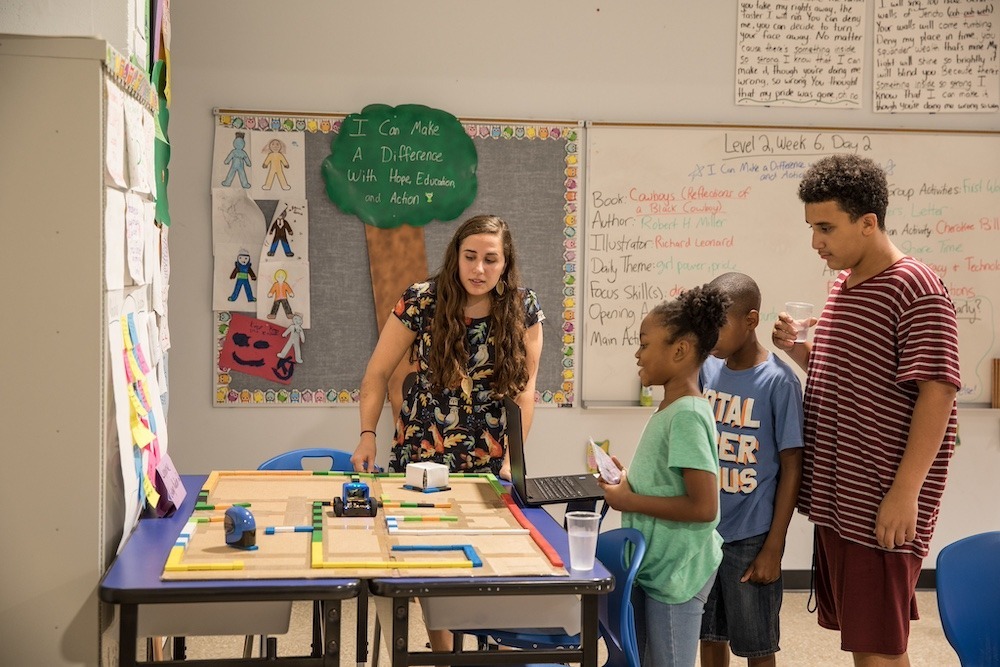
The program combines graduate study with field-based assignments, allowing students to connect what they learn with their professional settings.
Rowan alumna Isabella M. described the impact of her graduate studies on her work as a special education educator:
“Pursuing my master’s has allowed me to deepen my understanding and strengthen my skills as a teacher of students with multiple disabilities.”
Apply What You Learn to Your Professional Setting
Rowan’s online format is designed to support educators who are continuing to work while pursuing a graduate degree. The program offers asynchronous courses, active faculty engagement and part-time coursework.
Students should note that the program has specific requirements tied to field-based learning. Applicants must have a CEAS or Standard Certification in an initial instructional area of certification and be affiliated with a school district in a qualifying role that provides consistent, weekly access to the same group of P-12 students, including students with IEPs.
These requirements allow students to complete extensive field-based assignments as part of several required courses.
Choose a Track That Fits Your Goals
The MA in Special Education & Inclusive Practices offers multiple specialized tracks, allowing educators to pursue graduate study aligned with their professional interests.
Whether you’re interested in learning disabilities, early childhood special education, ESL, foundations of special education or graduate endorsement, the program offers an opportunity to build specialized knowledge while continuing to develop your practice.
Start Building the Skills That Make Special Educators Extraordinary
Effective special education teaching requires more than one skill. It calls for specialized knowledge, collaboration, adaptability, communication and a commitment to understanding individual students.
Graduate study can help educators deepen those skills and connect evidence-based practices with the realities of today’s classrooms.
Rowan University’s online MA in Special Education & Inclusive Practices offers graduate-level study focused on the educational, psychological and sociological strengths and needs of children and youth with disabilities, with specialized tracks and field-based learning opportunities.
Explore Rowan’s online MA in Special Education & Inclusive Practices to learn more about the program, admission requirements and available areas of study.
About Rowan’s M.A. in Special Education & Inclusive Practices
Rowan University’s online Master of Arts (M.A.) in Special Education & Inclusive Practices helps educators deepen their understanding of the educational, psychological and sociological strengths and needs of children and youth with disabilities. Coursework combines special education research and strategies for assessment, communication, instructional practices and advocacy while helping educators develop the knowledge and skills to support diverse learners.
Through field-based assignments and applied learning, students connect what they learn to their own P-12 settings. The program offers pathways in Learning Disabilities, Early Childhood Special Education, English as a Second Language (ESL), Foundations of Special Education and Graduate Endorsement, allowing educators to focus their studies on their professional interests and goals.
Offered 100% online, the program is designed for working educators, with asynchronous courses, active faculty engagement and part-time coursework. Students complete 30–36 graduate credits and develop the skills to become knowledgeable advocates and leaders for students with diverse learning needs.
About Rowan Online
Rowan Online empowers learners throughout the region with high-quality, accessible and affordable online education backed by the innovation and forward-thinking of Rowan University. Rowan’s flexible online programs seamlessly connect students to award-winning faculty and industry leaders, comprehensive student support services and academic resources—no matter where they are. In collaboration with Rowan’s nationally ranked colleges and schools, Rowan Online delivers bachelor’s, master’s and doctoral programs in high-demand, future-focused fields. Guided by employer insight and industry-driven curriculum, Rowan Online prepares students to excel in a rapidly evolving workforce and lead in their professions and communities.