
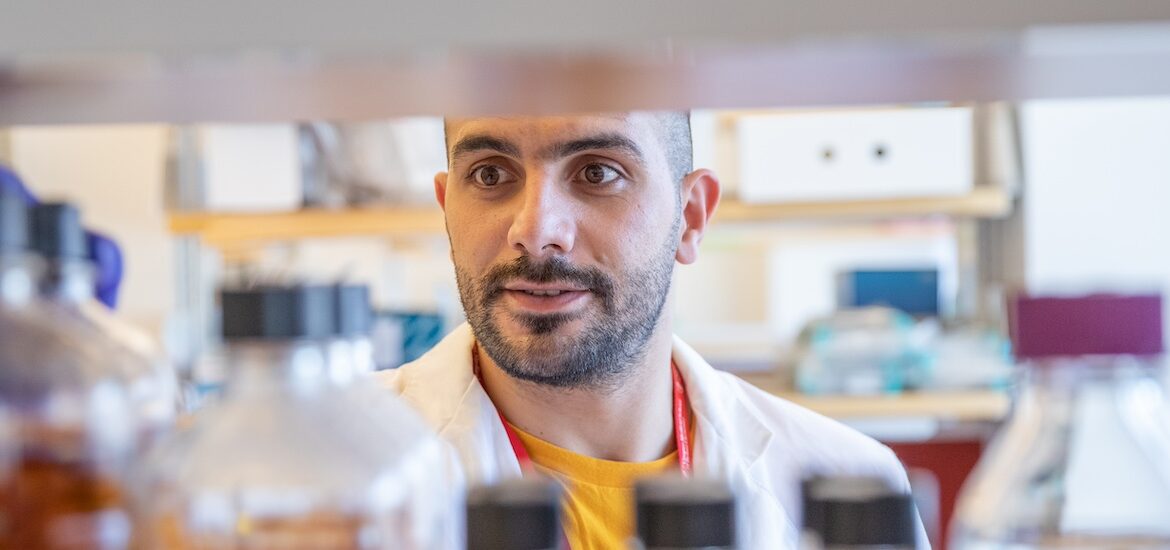
Do you hold an undergraduate degree in chemistry, biochemistry, biology or a related field? Looking to take your education to the next level? It could be time to consider pursuing your master’s in pharmaceutical sciences. This type of degree program equips students with a powerful combination of scientific expertise, critical thinking abilities and practical competencies needed to thrive in pharmaceutical research, development and regulatory environments.
Gain a better understanding of the unique skills you can expect to develop in a master’s in pharmaceutical sciences degree program to help decide whether this path may be right for you.
What Is a Master’s in Pharmaceutical Sciences?
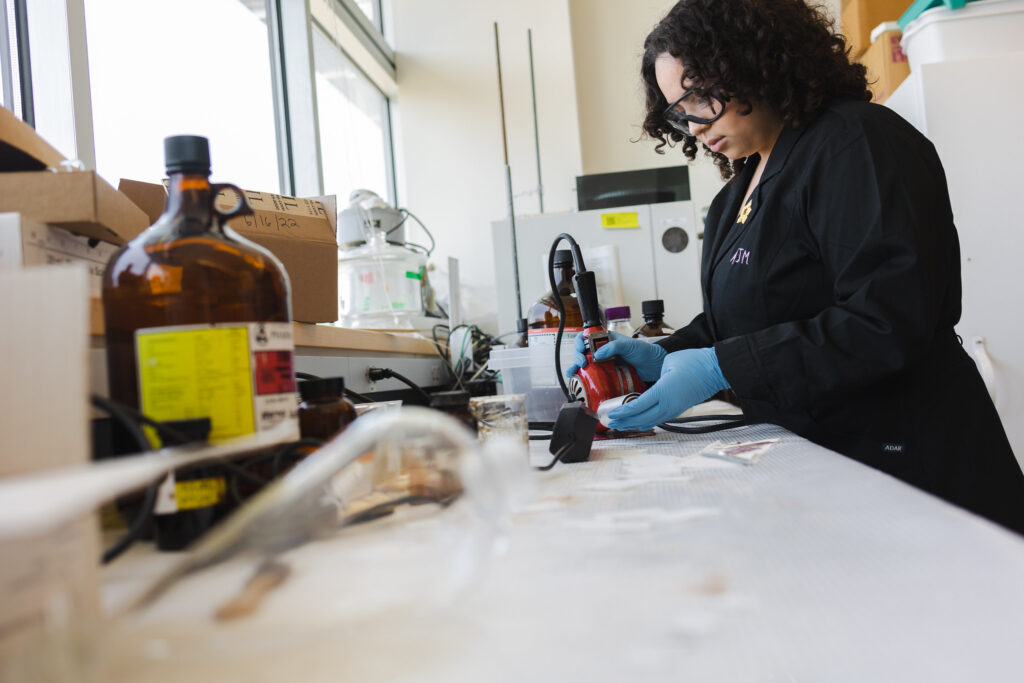
A master’s in pharmaceutical sciences is a graduate-level degree designed to prepare students for careers in this interdisciplinary field, which involves components of organic chemistry, biochemistry, physiology, pharmacology, health sciences and nuclear biology for the design and synthesis of drugs.
At Rowan University, for instance, our Master of Science (M.S.) in Pharmaceutical Sciences program consists of 31 credit hours encompassing coursework in relevant topics such as:
- Advanced Pharmaceutical Chemistry
- Pharmacology
- Good Laboratory Practices
- Pharmaceutical Formulations
- Regulatory affairs
Students also have the opportunity to build practical and career-ready skills that prepare them for the real-world challenges and opportunities of their future roles. This includes the development of both technical and soft skills, ranging from laboratory and experimental techniques to critical thinking and communication.
1. Drug Discovery and Development Skills
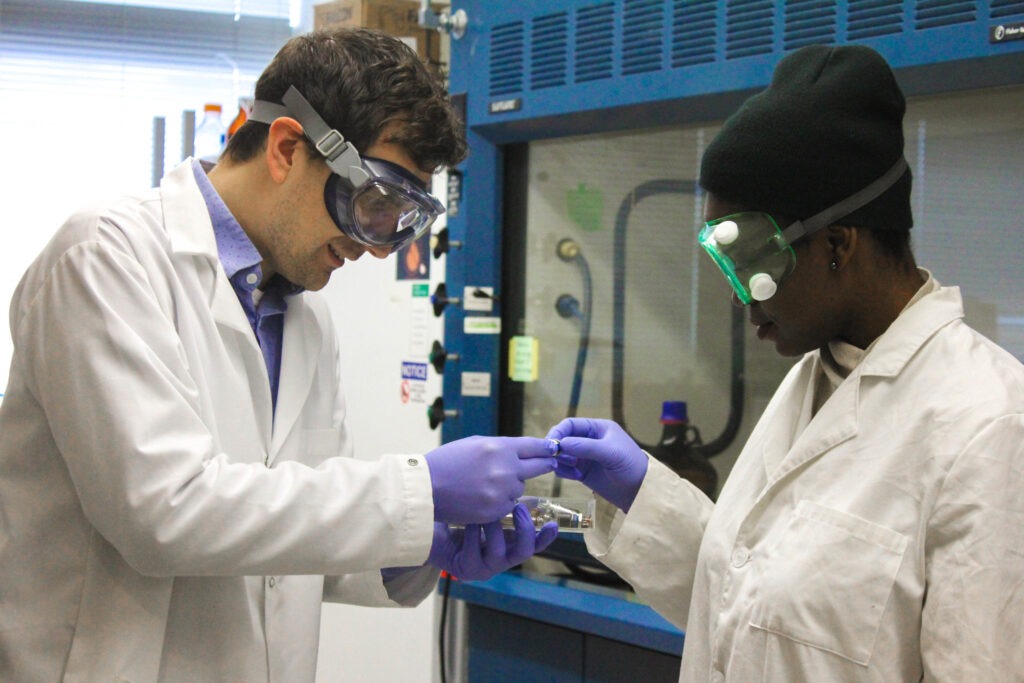
As part of a master’s in pharmaceutical sciences program, students focus on establishing practical drug discovery and drug development knowledge that they will apply down the road. This may include the use of different computational methods (e.g., molecular dynamics and quantum mechanics), biochemical assays and molecular biology.
Meanwhile, drug development skills gained in a graduate-level program may center on biopharmaceutical principles, physical pharmacy and elements of pharmacokinetics.
2. Laboratory & Experimental Techniques (Thesis-Track)
Throughout this master’s degree program, students can also expect to develop their laboratory and experimental skills — including different experimental models (in vitro, in vivo and ex vivo) as well as techniques for using different types of laboratory equipment.
3. Regulatory Compliance and Quality Assurance Skills
Because the pharmaceutical sciences industry is heavily regulated, those in a graduate-level degree program should expect to sharpen their understanding of the various laws and regulatory agencies governing their work. This may include knowledge of essential regulatory/safety best practices, like:
- Good Laboratory Practice (GLP)
- Good Manufacturing Practice (GMP)
With solid regulatory affairs skills and pharma knowledge, graduates of a master’s degree program can be better prepared to maintain regulatory compliance in future positions.
4. Data Analysis and Interpretation
Data analysis and interpretation proficiencies are central components of any master’s in pharmaceutical sciences program, too. Working in this field requires thorough quantitative analysis of experimental results, along with the ability to identify trends and validate statistics. These pharmaceutical data analysis skills are integral in different areas of the field, including clinical trials, quality control, drug safety and drug discovery/development.
5. Pharmacokinetics and Drug Action Understanding
Yet another valuable skill that students hone in a pharmaceutical sciences program is an understanding of pharmacokinetics: the ways in which drugs are absorbed, distributed, metabolized and excreted in the human body. This knowledge is essential for research and development jobs as well as everyday clinical work in the field.
6. Communication and Scientific Writing
Strong communication skills (both verbal and written) is also a crucial aspect of pharmaceutical sciences work. This is especially true when you consider that this field often calls for collaborating with interdisciplinary professionals. When able to communicate clearly and share findings with interdisciplinary team members, you may function better in your role.
Additionally, students in this type of degree program gain valuable scientific writing practice — an important skill to leverage when documenting future work for regulatory purposes, submitting content to peer-reviewed journals or simply following proper scientific writing structure.
7. Critical Thinking and Problem-Solving
At the end of the day, professionals in the pharmaceutical sciences realm must possess sharp critical thinking and problem-solving skills. Through advanced coursework in a graduate-level program, students can hone their ability to identify key research challenges, formulate hypotheses and adapt strategies based on available evidence.
8. Project and Research Management (Thesis-Track)
Finally, students in a master’s in pharmaceutical sciences program learn to plan, manage and coordinate research projects. This, in turn, prepares them for the realities and challenges of their future work in leadership positions when it comes to planning project timelines, allocating resources and working effectively across scientific teams. All of these competencies are especially vital in pharmaceutical sciences, where research/project delays could result in regulatory challenges, unmet patient needs and lost revenue.
How Rowan University’s Master’s in Pharmaceutical Sciences Develops These Skills
Now knowing what you learn in a pharmaceutical sciences master’s program, you might be wondering what sets our program at Rowan University apart from others. From opportunities to gain hands-on experience to collaborative projects and knowledgeable faculty, here are just a few benefits we have to offer:
Hands-On Laboratory Training and Practical Research
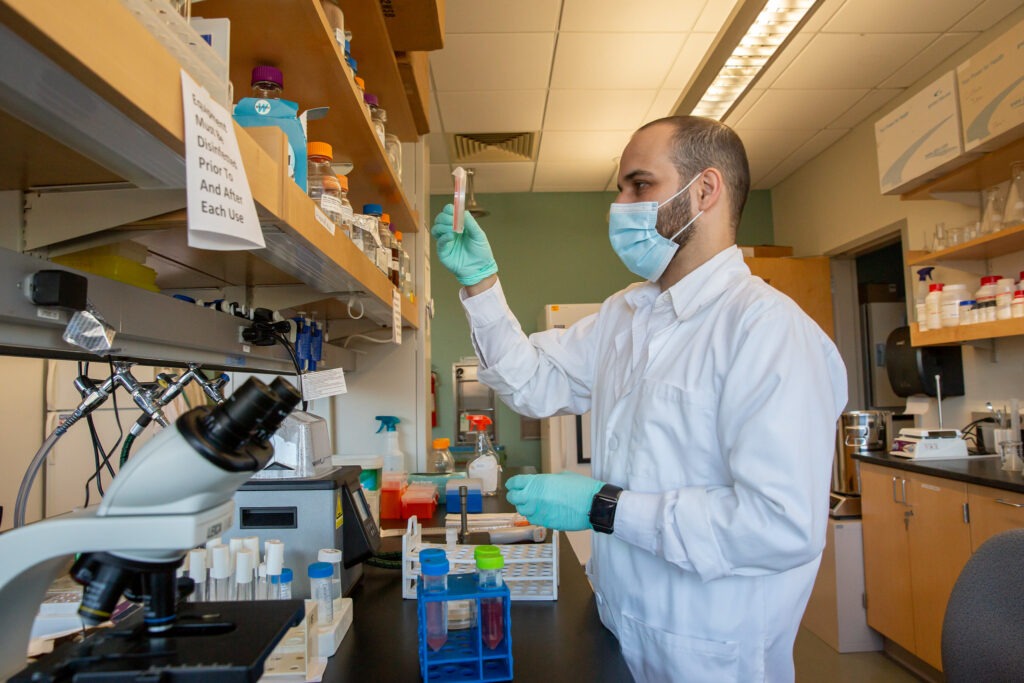
At Rowan, we believe that students learn best through not just lectures but also practical and hands-on learning. That’s why our pharmaceutical sciences program includes opportunities for students to get involved in real research and laboratory experiences — both of which help enhance their pharmaceutical research abilities while also being mindful of application requirements.
Faculty With Industry and Research Expertise
More than just professors and instructors, the faculty who teach our pharmaceutical sciences classes are knowledgeable, experienced professionals who have worked in the field themselves. Thus, they’re able to share valuable insights and expertise to help students build core skills in a pharmaceutical degree program.
As program graduate Holli-Joi S. shares in a student testimonial, “There are so many people who are willing to help you whether you know them or not,” so students are encouraged to take advantage of the faculty support available to them. You can read more about Holli-Joi’s journey at Rowan, including her own research, in this blog post.
Collaborative Projects and Applied Learning
Aside from technical proficiency, graduates of a pharmaceutical sciences program need plenty of practice leveraging soft skills as communication and collaboration. In Rowan University’s M.S. in Pharmaceutical Sciences program, students partake in numerous collaborative projects and applied learning experiences that help sharpen these critical skills and prepare them for work with other interdisciplinary professionals in the field.

Where These Skills Take You: Career Opportunities
By building the pharmaceutical sciences skills outlined above, you may be able to explore a variety of potential career and advancement opportunities in medical research with a master’s degree. While this is by no means a comprehensive list, examples of common roles filled by graduates of this program include:
- Pharmaceutical or Medical Scientist (with a BLS-projected job outlook growth of 9% between 2024 and 2034)
- Regulatory Affairs Specialist
- Clinical Research Associate
- Drug Safety Associate
- Quality Assurance Analyst
It is also worth noting that a master’s in pharmaceutical sciences can serve as a stepping stone into a terminal degree program in the discipline, such as a Doctor of Pharmacy (PharmD) or a PhD in Pharmaceutical Sciences. Such a path may be ideal for those who are interested in becoming licensed pharmacists or even proceeding to pursue academia/research roles.
Ready to Build Advanced Pharmaceutical Expertise?
With valuable, career-ready competencies to be gained, a master’s in pharmaceutical sciences program could be a logical next step for those striving to work on the discovery and development of new drugs, create more efficient uses of existing drugs and lower the costs of treatment for patients.
At Rowan University, our M.S. in Pharmaceutical Sciences program is designed with the focused curriculum students need to establish practical skills that today’s employers are seeking. This, alongside highly specialized hands-on training and dedicated support every step of the way, makes Rowan an excellent choice for professionals who are ready to advance their education.
Reach out to request more information about this program or any of our related programs in Accelerated Chemistry/Pharmaceutical Sciences, Biochemistry or Accelerated Biochemistry/Pharmaceutical Sciences. You may also take the next step by completing your application today.
Want to learn more about other students’ experiences in Rowan’s Pharmaceutical Sciences programs? Check out this blog, which follows one international student’s journey through the program.
About Rowan University’s M.S. in Pharmaceutical Science
Rowan University’s Master of Science (M.S.) in Pharmaceutical Science combines advanced scientific coursework with hands-on learning in the discovery, development, testing and regulation of pharmaceutical products. Students build knowledge across areas such as pharmaceutical chemistry, pharmacology, drug formulation, laboratory practices and regulatory affairs while developing the analytical, research and communication skills used across the field.
Designed for students preparing to enter the pharmaceutical sciences as well as professionals looking to advance their expertise, Rowan’s program provides a foundation for careers in pharmaceutical research, biotechnology, clinical development, regulatory affairs and quality systems. Depending on their goals, students can also use the degree as preparation for further graduate or professional study. Students choose to pursue either a thesis track or non-thesis track.
Learn more about Rowan’s M.S. in Pharmaceutical Science or explore related programs in Accelerated Chemistry/Pharmaceutical Sciences, Biochemistry and Accelerated Biochemistry/Pharmaceutical Sciences.
About Rowan
The fastest-growing public research institution in the Northeast and among the country’s top 10 fastest-growing, Rowan University is home to a thriving multidisciplinary environment with a strong emphasis on practical research at the intersection of health care, engineering, science and business.
Carnegie-classified as an R2 (high research activity) institution and operating at R1 (very high research activity), the University partners with industry, government and nonprofit organizations in New Jersey and beyond to drive innovation, while developing the future workforce. Students are essential contributors, presenting at national conferences, sharing credit in professional publications and earning recognition for their work. Selected entrepreneurs receive support through the Rowan Innovation Venture Fund.
Rowan’s partnerships with Virtua Health, Cooper University Health Care and all major health care systems in southern New Jersey distinguish the region as a hub for health care research and education. Rowan is also a key partner with the New Jersey Economic Development Authority in two strategic innovation centers focused on medical technology.
You May Also Be Interested In
- M.S. in Bioinformatics
- M.S. in Medical Laboratory Science
- Industrial Chemistry Certificate of Graduate Study