

Nurses are among today’s most trusted professionals, consistently topping Gallup’s list of most honest and ethical professions, even above doctors and pharmacists. National Nurses Week, which marks the lead-up to Florence Nightingale’s birthday, is the perfect time to shower these dedicated professionals with the appreciation they deserve. It’s also an opportunity for nurses themselves to reflect on their impact and look ahead — whether that means deepening their skills, pursuing continuing education or simply basking in well-earned recognition.
Why National Nurses Week Matters
Nurses take great pride in their work and feel deeply fulfilled, knowing that their efforts bring both physical and emotional healing to patients and their families. They also face huge hurdles, such as long shifts that take a physical toll and the emotional strain that comes with seeing patients suffer.
These challenges feel easier to bear when nurses know that the public has their back. During National Nurses Week, we show gratitude, honoring nurses for their passion and hard work.
A Brief History and Purpose of Nurses Week
The first documented efforts to formally recognize nurses’ contributions arrived during the 1950s. One year after federal official Dorothy Sutherland advocated for a special day for nurses (a request that did not lead to a proclamation), an entire week was set aside so the public could “express their appreciation of the untiring efforts of our nurses.”
Honoring the 100th anniversary of Florence Nightingale’s groundbreaking service during the Crimean War, the original celebration was held in October 1954. It would be another two decades before National Nurses Week became an annual tradition, however.
In 1974, the White House designated a new National Nurses Week. President Nixon issued a proclamation, explaining that “nurses merit the highest measure of personal and professional regard.”
National Nurses Week became a May tradition in 1994, when the American Nurses Association (ANA) designated the observation dates that we still follow to this day: May 6 through May 12.
Beyond Recognition: What Nurses Are Thinking About Next
You may enjoy the banquets and gifts that make National Nurses Week feel festive, but ideally, you will also frame this special week as a time to look forward. This is a great chance to advocate for support from leadership and from the public while also seeking to improve your own clinical practice.
The Evolving Realities of Today’s Nursing Workforce
Nurse appreciation feels especially important amid rapid changes in the healthcare industry. Today’s nurses face new clinical complexities like delivering evidence-backed care while remaining empathetic, all amid staffing shortages, shifting care models, and evolving regulations that contribute to burnout. At the same time, advancing technologies and expanded educational opportunities are empowering nurses to grow, specialize, and thrive in an increasingly dynamic field.
Why Investing in Nursing Education Is a Powerful Form of Support
Nursing support takes many forms: mentorship, employee assistance programs, and peer groups, among others. Education can also be framed as a valuable source of support. This equips nurses with practical skills that make the healthcare environment easier to navigate while also offering a powerful source of camaraderie.
Education as Appreciation
Education is the ultimate form of nursing empowerment. You may be appreciated as a nurse, but you gain additional respect and autonomy with each new degree or certification. This is the ultimate way to open new doors and elevate your voice. Through continued hard work, you can honor your journey by becoming the type of nurse you’ve always envisioned.

Pathways for Nurses Who Want to Grow Their Impact
You have much to offer as a registered nurse, but what if you’re ready for the next step in your nursing career? This could be a great time to explore nursing leadership programs:
Advancing From Bedside to Leadership
Bedside roles allow nurses to connect with patients on a personal level, but there are many other ways to make a positive difference. Nursing leadership supports bedside nursing through staffing, training, quality improvement and, increasingly, with data-driven strategies.
Nurse Executive degree programs blend clinical knowledge with leadership development, helping nurses guide teams toward providing exceptional care. Roles available to nurse leaders include:
- Nurse manager. Overseeing everyday operations within specific units or departments, nurse managers handle staff schedules and tackle budgetary challenges. They form the crucial link between clinical professionals and healthcare administrators.
- Charge nurse. Working closely with nursing staff, charge nurses help clinical staff members follow care protocols and may even step in when complex situations demand rapid coordination or additional oversight.
- Nurse educator. Helping nurses expand their clinical knowledge and practical skills, nurse educators work in both clinical and academic settings. They introduce nurses to important theories and help them apply these insights as they provide clinical care. Educators also act as valued mentors, offering encouragement and support throughout nurses’ academic and professional journeys.
- Nurse executive. Directors of Nursing and even Chief Nursing Officers (CNO) shape the operational and strategic side of nursing. They influence nursing priorities and policies, promoting exceptional care delivery that exceeds quality standards.
While some clinical coordination or informatics roles are well within reach for BSN-trained nurses, management and executive roles are more likely to require graduate degrees.
The Master of Science in Nursing (MSN) provides targeted preparation for specialized roles, detailing advanced theories and leadership practices as they relate to management, education and advanced practice nursing.
Expanding Into Advanced Practice Roles
Advanced practice registered nurses (APRNs) enjoy greater autonomy and an expanded scope of practice. They also have the advanced clinical knowledge needed to handle tasks beyond the RN role, including prescribing medications or even administering anesthetics.
Many APRNs provide specialized services in obstetrics or mental health, while nurse practitioners (NPs) handle the demands of family practice (such as diagnostics and treatment planning), and in many states, with limited oversight from physicians. These roles are only available to nurses trained at the graduate level and even then, may require specialized certifications.
Developing Expertise in High-Demand Specialties
If you enjoy working with specific patient populations or addressing targeted health conditions, you could benefit from strengthening your expertise in specialty areas. This is best accomplished through graduate-level coursework, which reveals how nursing theories play out in various populations or environments.
MSN courses in epidemiology or information technology encourage integrated thinking and provide preparation for expanded opportunities in areas such as public health or informatics. Other potential opportunities available to MSN graduates could include health systems leadership or wellness coaching.

How Continuing Education Strengthens the Future of Nursing
Continuing education is vital to the ongoing growth of the nursing profession. This is one of the best ways to explore cutting-edge modalities and practices. Benefits of college-focused nursing professional development include:
The Link Between Education and Better Patient Outcomes
Research shows that when nurses commit to continuous learning, patient outcomes improve. For instance, higher level training is linked to improved infection control and reduced medication errors. Over time, these gains allow for safer clinical environments, prompting reductions in readmissions and even leading to lower mortality rates.
This reality underscores the current push for BSN training across the spectrum of registered nursing. This degree represents a shift towards evidence-based practice, in which research is carefully evaluated and then applied within nursing practice.
When nurses understand how to interpret and apply research-backed findings, their care ultimately becomes more precise and personalized. Along the way, these nurses grow more confident and better capable of handling complex situations.
Innovation and Health System Change
There is a growing push for data-guided solutions in nursing, emphasizing the use of clinical decision support systems and electronic health records. Advocates believe that these tools help nurses spot patterns and tailor their care accordingly.
Meanwhile, other technological advancements improve overall coordination and communication, enabling streamlined care across the continuum of nursing. Continuing education introduces both aspiring and current nurses to these technologies, integrating them into projects, for example, while encouraging nurses to reflect on how they can use these systems responsibly and ethically.
Flexible Pathways for Working Nurses
As a working nurse, you enjoy many opportunities to invest in their education and pursue growth on your own terms. Hybrid and online nursing degrees meet you where you’re at, fueling your growth and revealing how you can use your passion to uncover new opportunities in clinical care or nursing leadership.
Online and Hybrid MSN Options Designed for Busy Nurses
While certain, clinically focused nursing programs are best completed in person, higher-level coursework tends to focus more on advanced research and leadership skill development.
Online learning is a hallmark of the RN to BSN and is also a top option for earning a master’s degree. Gains in flexibility certainly do not come at the cost of a rigorous or inspiring education. Through in-depth research and immersive learning experiences, you gain advanced clinical judgment while building your leadership capacity.
You can even apply newfound insights in your current clinical role, continuing your career momentum while adding expertise one step at a time.
How Rowan University Supports Nurses During Every Stage of Their Career
At Rowan University, we believe that nurses should be celebrated during National Nurses Week and supported throughout the year. We do our part by offering continuing education opportunities through the Rita & Larry Salva School of Nursing and Health Professions.
Our programs are designed to meet the unique needs of working nurses while satisfying their desire for personal growth and professional development. We also offer tailored services and resources designed to help nurses find balance and support.
Programs That Build Leadership, Expertise and Confidence
As you advance in your career, you may be drawn to specific professional pathways that allow you to expand your influence beyond bedside care. Explore purpose-driven graduate courses or tracks that help you develop the specific skills you need to thrive in your future role of choice.
Bridge programs such as the RN to BSN offer flexible pathways that help registered nurses continue to serve in clinical roles even as they explore (and prepare for) new opportunities in informatics, public health and beyond.
Accelerate your path to nursing leadership with our MSN program, which includes specialized Nurse Executive, Nurse Educator and Nurse Practitioner tracks. Rowan alum Kelly Klingler describes this option as “affordable, convenient, and flexible,” adding that “online learning provides the ultimate balance between work, higher education and family life.”
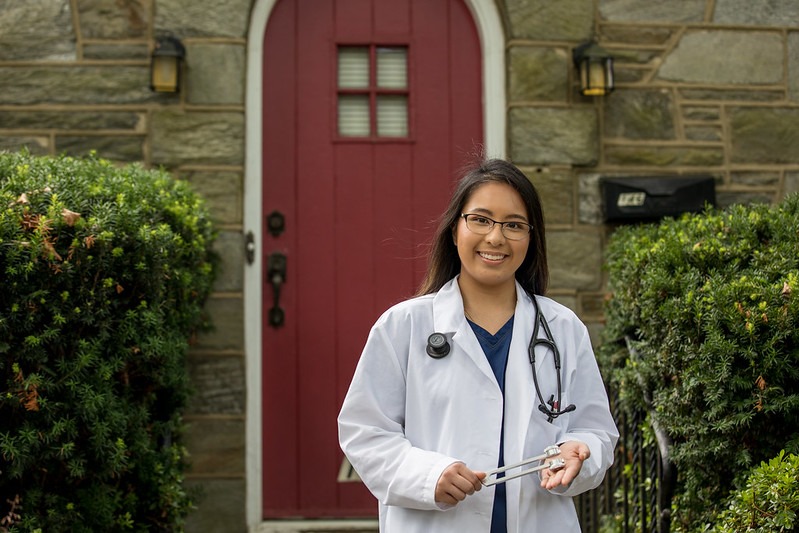
Celebrate National Nurses Week With Renewed Commitment to Nursing Professional Development
National Nurses Week is a moment to honor nurses, but the most meaningful appreciation happens through long-term support, opportunity, and investment in their continued growth. As the healthcare landscape evolves, nurses with advanced training are shaping the next generation of patient care, innovation, and leadership.
Rowan University is committed to helping nurses grow their impact through accessible, flexible and forward-thinking nursing programs that empower them to lead with confidence. Learn more about our RN to BSN and graduate nursing programs so you can take the next step towards nursing career advancement.
About Rowan Online
Rowan Online empowers learners throughout the region with high-quality, accessible and affordable online education backed by the innovation and forward-thinking of Rowan University. Rowan’s flexible online programs seamlessly connect students to award-winning faculty and industry leaders, comprehensive student support services and academic resources—no matter where they are. In collaboration with Rowan’s nationally ranked colleges and schools, Rowan Online delivers bachelor’s, master’s and doctoral programs in high-demand, future-focused fields. Guided by employer insight and industry-driven curriculum, Rowan Online prepares students to excel in a rapidly evolving workforce and lead in their professions and communities.