
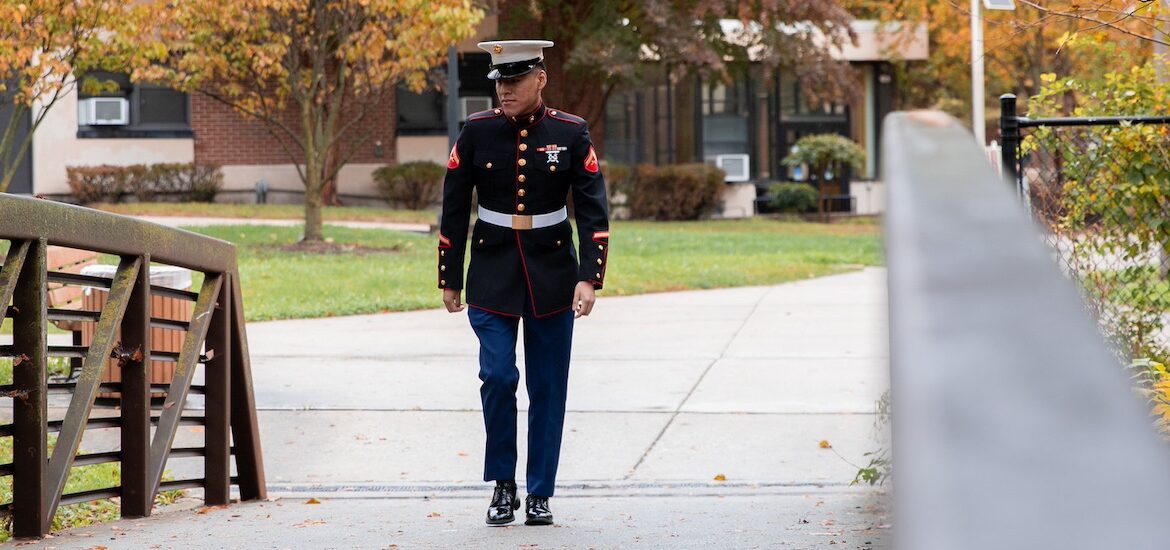
Returning to college after military service can be an opportunity to build on your experience, explore a new career direction or complete a degree you started earlier. The transition looks different for everyone. Some students enroll after leaving active duty, while others balance college with military service, employment or family responsibilities.
Planning ahead can help you understand your education benefits, compare degree programs and identify resources before classes begin. At Rowan University, the Military Services Office assists veterans, active-duty service members, reservists, National Guard members and military dependents as they navigate the transition to college and the surrounding community.
Whether you are preparing to enroll for the first time or returning to school after years away, here are practical steps to consider as you plan your next chapter.
The Transition From Military Life to College Is Different for Everyone
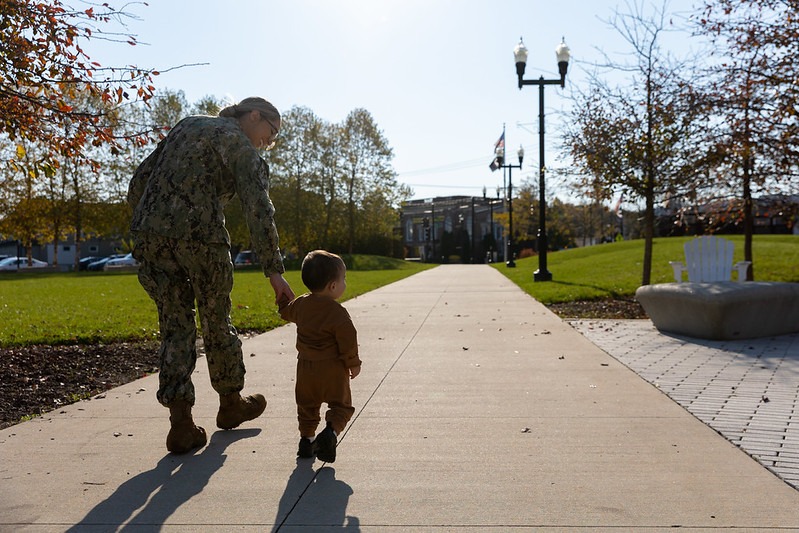
Student veterans bring a range of experiences, educational backgrounds and professional skills to college. Some may be continuing their education soon after leaving active duty. Others may have spent years working, raising families or pursuing other goals before deciding to earn a degree.
The U.S. Department of Veterans Affairs reports that only 15% of student veterans are of traditional college age. Its student veteran resource also reports that 47% have children and 47.3% are married. These figures describe the broader population of student veterans, not Rowan students specifically. They illustrate why advice about returning to college should account for different life circumstances.
Bringing Military Experience Into the Classroom
Your military experience may help you approach college with skills developed through service, such as leadership, teamwork, time management and problem-solving. How those skills translate to academic work depends on your individual experience and the demands of your program.
You may also encounter unfamiliar expectations, from academic writing and research to navigating online course platforms or communicating with professors. It is reasonable to ask questions, seek guidance and give yourself time to adjust.
Returning to school does not mean starting from scratch. It means learning how your existing experience can work alongside new academic knowledge and skills.
Preparing for Unexpected Challenges
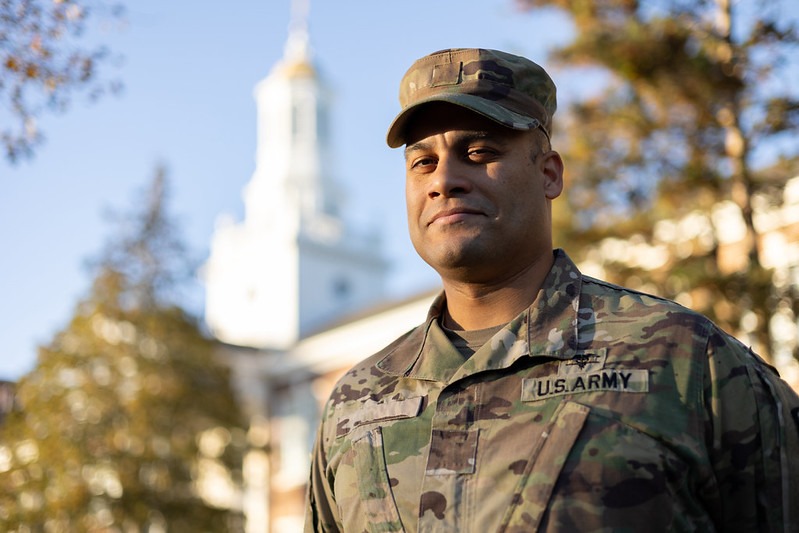
For some veterans, the transition to college involves adjusting to both a new academic environment and life after military service. The pace and structure of coursework may differ from military training, and classroom discussions can call for a different style of participation.
Other students may find that the transition is relatively straightforward or that they already have experience with college-level work. There is no single veteran student experience, so focus on identifying the support and routines that work for you.
If you are unsure where to begin, Rowan’s Military Services Office can help you identify relevant university resources and navigate questions about education benefits.
Understand Your Education Benefits Before Classes Begin
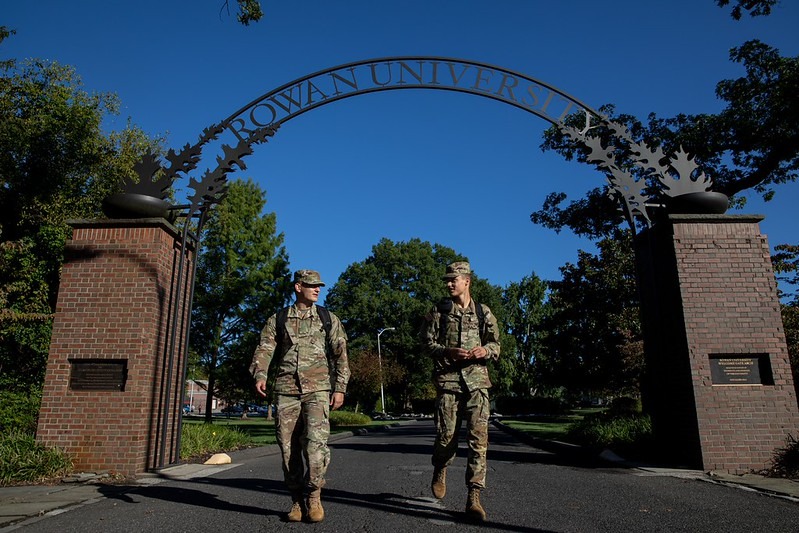
The U.S. Department of Veterans Affairs offers several education benefit programs for eligible veterans, service members and qualifying family members. Depending on the program and your eligibility, benefits may help cover tuition, fees, books, housing or other education-related expenses.
The VA’s education benefits eligibility page explains the requirements for programs including the Post-9/11 GI Bill®, the Montgomery GI Bill and Survivors’ and Dependents’ Educational Assistance. Eligibility and payment amounts vary, so do not assume that a benefit available to one service member or veteran will apply to your situation.
Why Early Planning Matters
Before enrolling, consider these steps:
- Review your eligibility. Explore the VA’s official information and application process to determine which benefits may apply to you.
- Check your intended program. Confirm with Rowan Military Services that your specific degree program is approved for the benefits you plan to use. Not every program is necessarily available for every benefit.
- Ask about documentation and timing. Find out which forms and records you need and when to submit them.
- Explore other funding options. Depending on your circumstances, you may also want to investigate scholarships, financial aid or other military-related education assistance.
Rowan’s new-student Military Services information explains how the office helps students navigate benefits and university procedures. You can contact the office before applying if you have questions about eligibility, documentation or next steps.
Planning ahead will not guarantee that benefits are processed by a particular date, but it can help you identify requirements and address questions before they become last-minute concerns.
Complete Rowan’s Military Services Onboarding
New Rowan students must complete the applicable Military Services onboarding process. The university provides benefit-specific information to help students understand relevant procedures and ask questions.
The Rowan Military Services new-student page includes onboarding information for students using programs such as the Post-9/11 GI Bill, Survivors’ and Dependents’ Educational Assistance, National Guard benefits, Veteran Readiness and Employment and the Montgomery GI Bill Selected Reserve.
Review the information that applies to your circumstances and contact the office if you are uncertain which process to follow. You can also ask about university policies, the documentation required to certify benefits and resources available to military-affiliated students.
Build a New Community After Military Service
For some veterans, leaving the military means leaving behind a close-knit community. College can provide opportunities to meet people with different backgrounds and interests, develop new relationships and find others who understand aspects of military life.
You do not have to build that community all at once. You might start by talking with classmates, contacting a student organization or attending an event that interests you.
Find Connection Beyond the Classroom
Rowan’s Military Appreciation Group provides a way for student veterans and people who support them to connect with the broader Rowan community. Rowan also provides information about campus and off-campus resources for veterans and active-duty students.
Joining a group is only one option. You may prefer to connect with classmates in your major, participate in campus activities or focus on academic relationships with faculty and advisers. Choose the opportunities that fit your interests, schedule and comfort level.
For students who are still serving, balancing college with military responsibilities takes planning and communication. Nicholas W., a full-time Rowan student and Army National Guard member, found the transition to Rowan easy with help from the university’s Military Services Office. He planned ahead around drill weekends and communicated with professors when military obligations affect his coursework. His experience illustrates how military-affiliated students can coordinate their academic and service commitments while recognizing that every student’s circumstances are different.
Read more about how Nicholas balances full-time college with Army National Guard service.
Balance School, Work and Family Responsibilities
Some student veterans attend college while working, raising children or caring for family members. Others are balancing coursework with reserve or National Guard duties. These responsibilities can affect how much time students have available for studying, participating in campus activities and completing assignments.
The VA reports that student veterans are twice as likely as traditional undergraduate students to have a job off campus. Its resources also note that veterans may spend more time caring for dependents and working while studying.
If you are balancing several responsibilities, consider the following approaches:
- Plan around fixed commitments. Mark class meetings, work shifts, family responsibilities and known military obligations on a calendar.
- Understand your course schedule. Review due dates and attendance expectations before the semester begins, and ask questions about requirements you do not understand.
- Communicate early. If military duties or an unexpected change in circumstances could affect coursework, contact your professors and the appropriate university office as soon as you can.
- Choose a program format that fits your circumstances. Online courses may work well for some students, while others may prefer or need in-person instruction. Compare the actual requirements of each program before making a decision.
- Use available support. Ask about advising, tutoring, financial aid and other resources when you need help.
Rowan offers online bachelor’s degree programs in several fields for students interested in an online format. If you are considering an online degree and plan to use military education benefits, confirm with Military Services that the particular program is approved for your benefit before enrolling.
A sustainable schedule will look different for every student. The goal is to understand your commitments and make an informed plan rather than assume that one pace or format works for everyone.
What Other Rowan Military-Affiliated Students Have Learned
Hearing from other students can offer useful perspectives, particularly when their circumstances resemble your own. Their experiences are not a guarantee of what your college transition will be like, but they can help you identify questions to ask and possibilities to consider.
Branden G.: Turning Military Service Into an Education Path
Branden G. was an Air Force reservist when he completed his bachelor’s degree in public health and wellness at Rowan. Branden describes how financial circumstances influenced his decision to enlist, “My family couldn’t afford to send me to school,” he says. “The only route I knew to get myself an education was to go into the military service.”
After moving from Texas to South Jersey, Branden enrolled at Rowan. He became involved in the Rowan Public Health Club and worked at Rowan Campus Recreation while pursuing his degree. His academic interests also led him toward public health data and analytics.
Branden’s story illustrates one path from military service to higher education: using education to build on experience and explore a professional direction. His route was shaped by his own interests and circumstances, as every student’s will be.
Kristina W.: Finding a Place in the Campus Community
Rowan alumna Kristina W. returned to campus for a second degree after serving six years in the U.S. Air Force. She described initially feeling isolated as she adjusted to college life.
Joining a campus organization helped her make connections. Reflecting on her experience with the GEO Club, she said, “I really wasn’t one to integrate myself into school. But when I decided to join the GEO club they welcomed me with open arms, and it felt amazing.”
Kristina’s experience is a reminder that connection sometimes begins with a single step, whether that means joining a student organization, speaking with a classmate or asking a university office where to find support.

Rowan Resources for Veterans and Military-Affiliated Students
You do not have to navigate every part of the college transition alone. Rowan’s Military Services Office works with veterans, active-duty service members, reservists, National Guard members and dependents on education benefits and resources related to their transition to university life.
Here are useful places to start:
- Rowan Military Services: Learn about the office, its role and resources for military-affiliated students.
- New-student onboarding and benefits information: Review onboarding procedures and information related to education benefits.
- Rowan Online academic programs: Explore online degrees and certificates if you are looking for a program that may fit around work or other responsibilities.
- VA education benefits and eligibility: Review official eligibility requirements and compare available benefits.
- VA education benefits application information: Find guidance on applying for several VA education benefit programs.
For additional assistance with health, wellness or other student concerns, Rowan also provides resources for veteran and active-duty students.
Returning to College After Military Service? Start With a Plan
Returning to school after military service can bring new opportunities as well as practical questions about benefits, program selection, schedules and campus life. You do not need to have every answer before you begin. Start by identifying your educational goals, checking your benefits and learning which resources are available to you.
At Rowan University, the Military Services Office can help you navigate the university’s processes and connect with relevant resources. Explore Rowan’s military-affiliated student resources, review online degree options if that format fits your needs and contact the appropriate office with questions about program requirements and benefits.
Your military experience is part of your educational journey. With clear information and a plan that reflects your own circumstances, you can make informed decisions about what comes next.
About Rowan
A top 100 national public research institution, Rowan University offers bachelor’s through doctoral and professional programs in person and online to nearly 25,000 students. The fastest-growing public research institution in the Northeast and among the country’s top 10 fastest-growing, Rowan offers a thriving multidisciplinary environment with a strong emphasis on practical research in health care, engineering, science and business, while ensuring excellence in undergraduate education. Nationally recognized for innovation, high-quality, affordable education and public-private partnerships, Rowan is one of two universities in the U.S. to offer M.D., D.O. and D.V.M. degree programs.