
Online college classes offer students the opportunity to pursue their educational and career goals without having to commute to campus or attend in-person lectures. But what is it really like to be an online college student? How do classes work? Can you balance school with a full-time job or family responsibilities? And will you still feel connected to your professors and classmates?
These are all important questions to consider before choosing an online degree program.
The online college experience looks different for everyone. Some students complete assignments before heading to work, while others study after their children go to bed. Many are returning to school after years away, looking to advance their careers or pursue something they’ve always wanted to accomplish.
To give you a better idea of what to expect, we’re exploring how online college classes work and sharing firsthand experiences from Rowan Online students and alumni who’ve made online learning part of their lives.
How Do Online Classes Actually Work?
Online college classes cover much of the same material as traditional in-person courses, but the way students participate can look different.
Synchronous vs. Asynchronous Online Classes
One of the first things to understand about online learning is the difference between synchronous and asynchronous classes.
Synchronous online classes meet virtually at scheduled times. Much like an in-person course, you’ll log in to attend lectures, participate in discussions, ask questions and interact with their professors and classmates in real time.
Asynchronous online classes give students more flexibility over when they complete their coursework. Rather than attending regularly scheduled live lectures, you’ll typically work through readings, recorded lectures, discussions, projects and assignments according to course deadlines.
For someone balancing college with a full-time job, family or other responsibilities, asynchronous classes can make it easier to fit school into an already busy schedule.
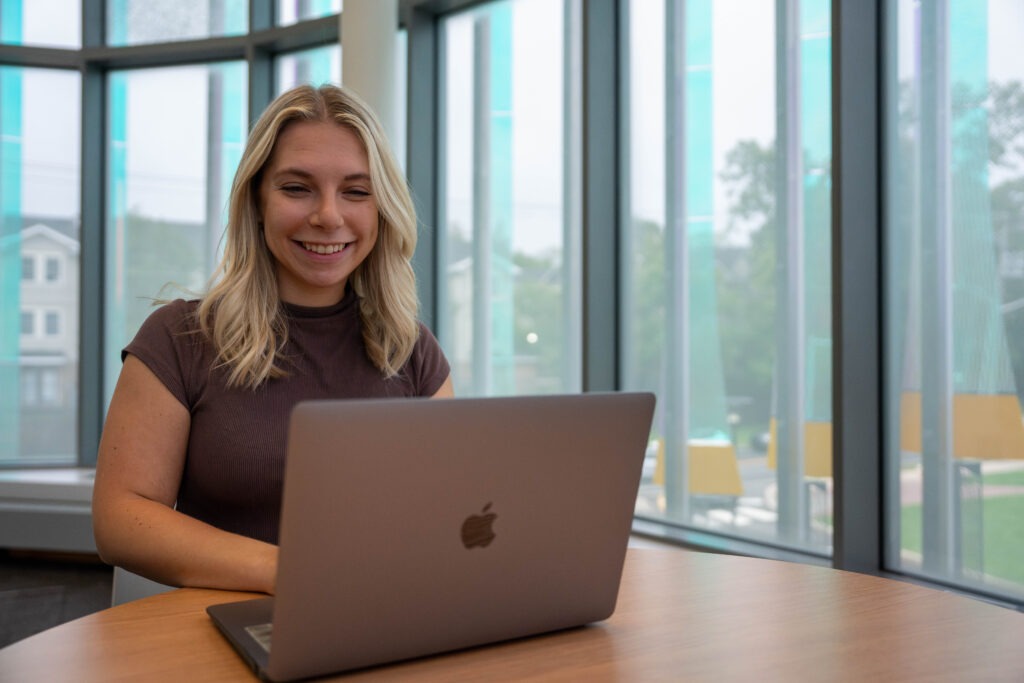
For Samantha L., who is pursuing an online Ed.D. in Educational Leadership: Higher Education, that flexibility means being able to adjust her coursework around her daily responsibilities. “I can even start a lecture and then pause it and come back to it later if I need to take care of something or just need a break,” she shares.
Getting Comfortable With Canvas

If you’re new to online learning, you might wonder where everything happens.
At Rowan, you’ll use Canvas, a learning management system that serves as the central hub for online coursework. Whether you’re taking synchronous or asynchronous classes, Canvas makes it easy to access course materials, submit assignments, participate in discussions and keep track of deadlines.
And you don’t have to figure everything out on your own. Academic advisors and tech support are available to help you navigate the platform and get comfortable with online learning. Jeff P., who pursued his Bachelor of Science in Respiratory Therapy (Degree Advancement) online, credits his academic advisor with “helping me out with navigating the Canvas module.”
Why Rowan Students Choose Online Learning
The Rowan Online experience combines the academic quality and expertise of a Rowan University education with the opportunity to pursue your goals and thrive on your own terms.
Every student has a unique story, with different goals, motivations and reasons for choosing online learning.
Balancing Work, Family and School
Online learning gives you more flexibility in when and where you complete coursework. For working professionals and students with family responsibilities, this can mean studying early in the morning, late at night or whenever their schedules allow.

Consider Mary F., who completed an online Construction Management certificate while working full-time in the trades. Traditional, campus-based classes would not have been realistic with 12-hour workdays, but she completed her assignments in the “wee hours of the morning before work.”
Similarly, Eleanor S. relied on flexible scheduling to tackle all her priorities while pursuing her online Bachelor of Arts in Liberal Studies. It gave her the freedom to “work full-time, be a present mother and still work on my own goals and aspirations in my spare time.”
Advancing or Changing Your Career
Beyond the balance it provides, online learning appeals to working students as a solid pathway to advancement or even career transformation.
How do online schools work for ambitious professionals or career changers? Goals guide this experience. The ideal is to find a program that builds on existing skills and addresses gaps in knowledge that might otherwise stand in the way of career advancement.
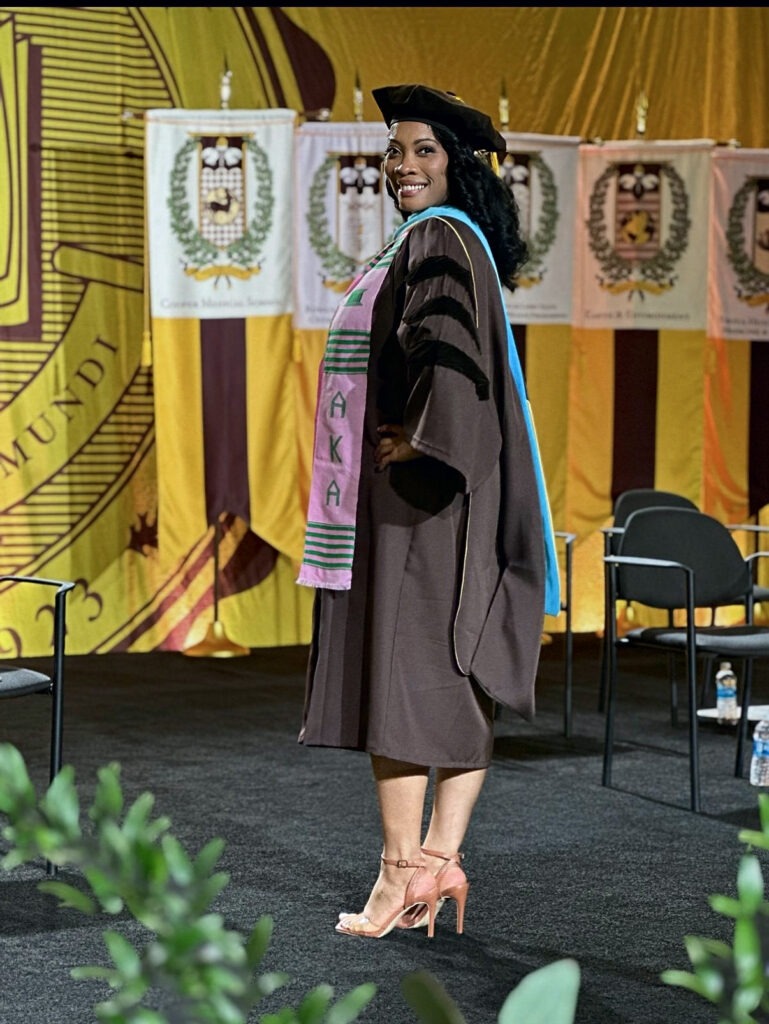
This goal-oriented approach resonated with Dr. Jametta Clarke as she earned her Ed.D. in Educational Leadership with Rowan Online.
“I pursued a doctorate not simply to earn another credential, but to equip myself to transition into higher education, where I could influence teacher preparation in more profound and lasting ways,” she explains.
Returning to Education After Time Away

College life can feel unfamiliar after a long break from the classroom. It’s natural to feel nervous about returning to school, but online learning can help make that transition feel more manageable.
Online programs bring together students from different backgrounds and stages of life, including working adults who may be returning to college after years away.
For Cindy C., returning to college meant pursuing a goal she’d carried with her for decades. Nearly 50 years after high school, she earned her bachelor’s degree in psychology through Rowan Online while balancing work and family responsibilities.
“I didn’t want an anonymous online college,” Cindy shares. “I wanted a real university with a real campus.”
For Cindy, Rowan offered the flexibility of online learning along with opportunities to access campus resources and feel connected to the university community.
What Is the Workload Actually Like in Online College?
Online classes offer flexibility, but they still require the same commitment to learning as traditional college courses.
Depending on your program, a typical week might include reading course materials, watching recorded lectures, participating in discussions, completing assignments or working on projects.
You’ll also need to keep track of deadlines and set aside time to study.
One of the biggest differences is that online students often have more control over when they complete their work. Instead of planning around a commute or a scheduled class meeting, you may be able to build study time into the parts of your day that work best for you.
That freedom comes with responsibility. Developing a routine, staying organized and reaching out when you need help can make the experience more manageable.
For many students, online learning also becomes an opportunity to strengthen skills such as time management, self-discipline and independent learning that extend beyond the classroom.
Finding Flexibility When Life Doesn’t Go as Planned

Online learning can be especially valuable when life’s circumstances change. For students navigating new or unexpected responsibilities, being able to continue your education while adapting to those changes can make a meaningful difference.
Dr. Clarke experienced this firsthand while pursuing her Ed.D. at Rowan. When she became a full-time caregiver for her father, she took a leave of absence from work while continuing to pursue her education.
“Because of Rowan Online, I never had to choose between my education and being there for my father,” she shared. “It allowed me to honor both commitments—and that is something I will always carry with me.”
Dr. Rania Saba, who earned her Ed.D. in Educational Leadership, P–12 Track, also experienced the importance of flexibility while supporting her mother through a significant health challenge.
“The flexibility of the online program allowed me to continue progressing toward my degree while being present for my family.”
What Do Support and Connection Look Like in Online Classes?
One question prospective students often have is whether they’ll feel connected to their professors and classmates without being together in a physical classroom.
Online programs feel more rewarding when they inspire a genuine sense of community and connection. This is fostered through collaborative experiences achieved even while completing coursework asynchronously.
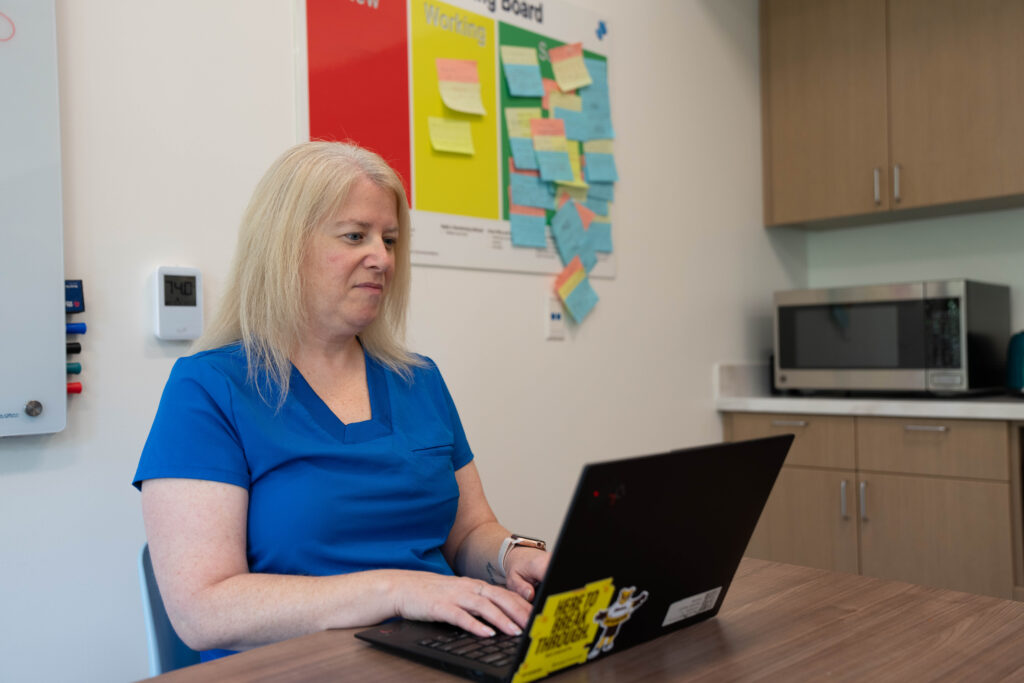
Dr. Rosemary Roberto felt this warmth of community as part of Rowan’s Ed.D. program: “Although the program was online, I never felt like I was navigating the experience alone. The relationships I built with my classmates became an important source of encouragement, motivation and support.”
This sense of connection extends beyond the classroom through faculty support and student services, including academic advising, tech support and peer success coaching.
Kimberly R. views this well-rounded support as a meaningful part of her experience as a Rowan Online student studying Healthcare Management and Administration. “Even in an online program, I’ve felt seen by my professors. I’ve had several reach out to recognize my work and the heart I put into my assignments.”
These experiences reflect an important part of the Rowan community: showing up for each other.
Applying What You Learn to Your Career

Online courses often incorporate case studies, projects and other hands-on activities designed to help students explore real-world challenges, strengthen their problem-solving skills and connect what they’re learning to practical situations.
If you’re already working, you may also have opportunities to apply what you’re learning directly to your job. Michael V., who completed his Master of Engineering Management (MEM) online, explains that he would “immediately consider how they applied to the teams, projects and challenges I was managing at work.”
Dr. Roberto agrees that real-world application made concepts resonate more. “The ability to immediately apply what I was learning to my work made the experience even more valuable.”
Michael also appreciated how his professors connected course material with their own professional experiences.
“The faculty were responsive, engaged, and brought their own professional experiences into the courses, which helped create a connection between what we were learning and how those concepts are applied in practice.”
What Surprised Students Most About Learning Online?

For some Rowan students, the biggest surprise wasn’t the coursework or the schedule. It was discovering just how approachable certain parts of the experience could be.
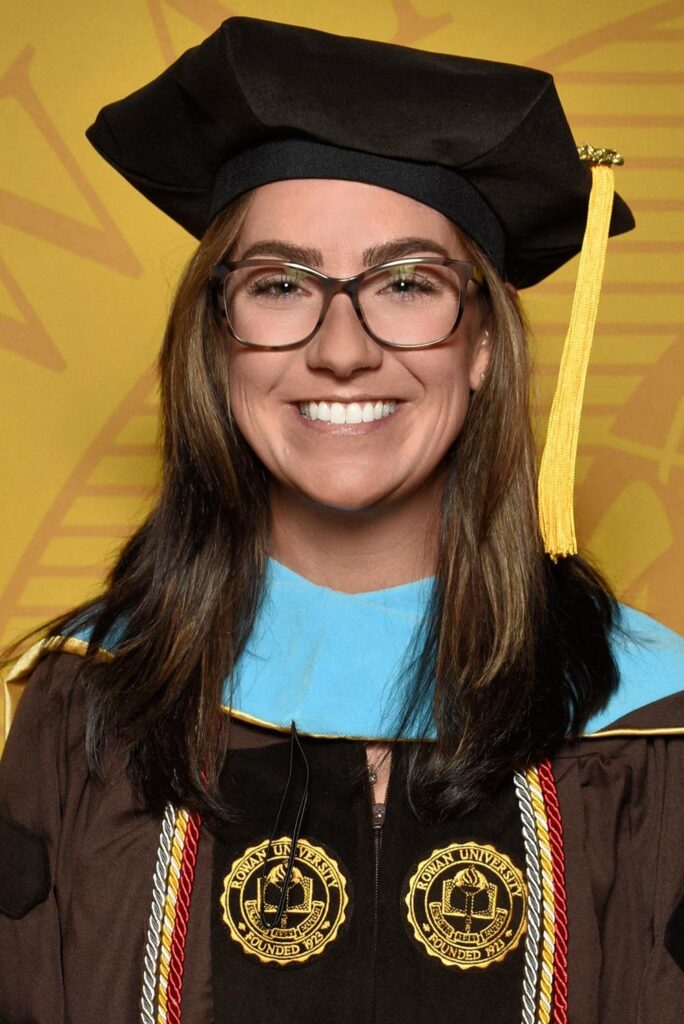
Flerida V., for example, appreciated how smoothly her transfer credit experience went.
“Transferring my credits was really easy. I just sent my transcript, and a week later, I received a call that my credits were transferred. It was that simple,” she recalls.
For Dr. Roberto, it was the relationships she developed along the way.
“When I began the program, I expected the experience to be flexible and convenient, but I did not anticipate the lasting relationships I would build with my classmates, faculty and mentors,” she shares.
These experiences are a reminder that online college programs can introduce you to new people, perspectives and opportunities that become a meaningful part of your educational journey.
Advice From Rowan Online Students Who’ve Been There
If you’re thinking about taking online classes or enrolling in a fully online program, what advice would students who’ve been in your shoes offer?
“Go into the program with a clear sense of your goals. The flexibility is a huge benefit, but it also requires discipline and consistency,” advises Samantha L.
“Come prepared to work, but also know that you will have people in your corner,” Dr. Clarke shares.
“Embrace the journey and allow yourself to grow throughout the process,” encourages Dr. Saba.
Invest in Your Future & Learn Where Life Takes You With Rowan Online
Whether you’re looking to earn your bachelor’s, master’s or doctoral degree or pursue a certificate, Rowan Online offers flexible programs designed to fit your goals and lifestyle, backed by the academic quality and reputation of a nationally recognized public research university.
“An investment in education is an investment in yourself.” — Autie A., Rowan Online Student
Frequently Asked Questions About Online Learning
Are online classes easier than in-person classes?
Online college classes generally have academic expectations comparable to in-person courses, but the learning experience can feel different. You’ll still complete assignments, participate in coursework and demonstrate your understanding of the material. Online classes may offer more scheduling flexibility, but time management and staying organized remain important.
Can I really work full-time while taking online classes?
Yes, many students balance full-time work with online college. Asynchronous courses can be particularly helpful because they allow you to complete coursework around your schedule while meeting assignment deadlines. The amount of time you’ll need depends on your program, course load and other commitments.
Will I feel isolated taking classes online?
Online learning doesn’t have to mean feeling disconnected. Depending on your courses, you may interact with professors and classmates through discussions, group projects, virtual meetings and other activities. Students like Dr. Roberto and Kimberly R. have shared how meaningful those relationships and faculty connections were during their Rowan Online experiences.
How much time should I expect to spend on coursework each week?
The time commitment depends on your courses, credit load and program requirements. One common guideline is to plan for approximately two to three hours of study and coursework per credit hour each week, although individual courses may require more or less time. Reviewing course expectations early can help you build a schedule that works for you.
About Rowan Online
Rowan Online empowers learners throughout the region with high-quality, accessible and affordable online education backed by the innovation and forward-thinking of Rowan University. Rowan’s flexible online programs seamlessly connect students to award-winning faculty and industry leaders, comprehensive student support services and academic resources—no matter where they are. In collaboration with Rowan’s nationally ranked colleges and schools, Rowan Online delivers bachelor’s, master’s and doctoral programs in high-demand, future-focused fields. Guided by employer insight and industry-driven curriculum, Rowan Online prepares students to excel in a rapidly evolving workforce and lead in their professions and communities.