
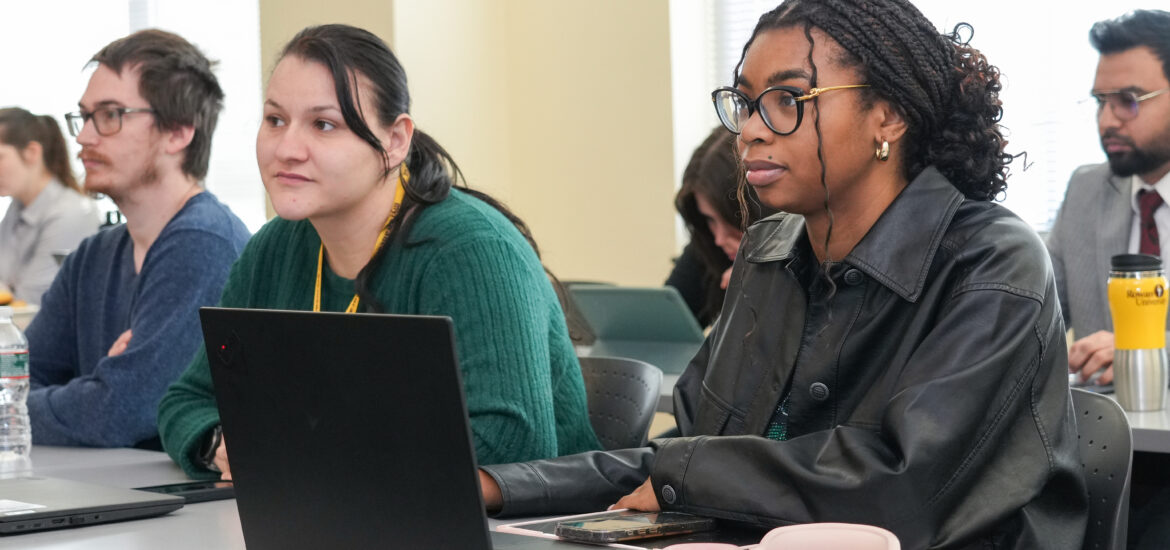
A college degree can open doors, but the skills you build along the way can help you walk through them with confidence.
For college students, building career-ready skills now can make the transition from classroom to workplace feel more manageable. Whether you are choosing a major, preparing for an internship, taking online courses or thinking about life after graduation, the skills you develop during college can support your next step.
Below are some of the top career skills college students should start building now, along with practical ways to strengthen them before graduation.
1. Communication
Communication is one of the most important career skills for college students because it shows up in nearly every workplace.
Employers value graduates who can write clearly, speak with confidence, listen carefully and explain ideas in a way others can understand. Strong communication is not just about giving a presentation or writing a paper. It is also about asking thoughtful questions, responding professionally, sharing updates and adjusting your message for different audiences.
In college, you can build communication skills by:
- Writing papers, emails and discussion posts
- Participating in class conversations
- Presenting projects or research
- Working with classmates in groups
- Meeting with professors, advisors or supervisors
- Practicing professional communication in internships, campus jobs or student organizations
Communication skills become especially valuable when you need to explain your ideas, advocate for yourself, collaborate with others or build relationships in a professional setting.
2. Critical Thinking and Problem-Solving
College is not only about memorizing information. It is also about learning how to evaluate ideas, ask better questions and solve problems.
Critical thinking and problem-solving are career skills that help you look at a situation, understand what matters, consider different options and make thoughtful decisions. In the workplace, employers often look for people who can think through challenges, offer ideas and keep learning as new situations come up.
College students can strengthen these skills by:
- Working through open-ended assignments
- Analyzing case studies or real-world examples
- Completing research projects
- Comparing different viewpoints
- Solving problems in labs, studios, simulations or field experiences
- Asking why something works, not just what the answer is
These experiences can help you become more comfortable with uncertainty, which is valuable when you are asked to solve problems in real-world settings.
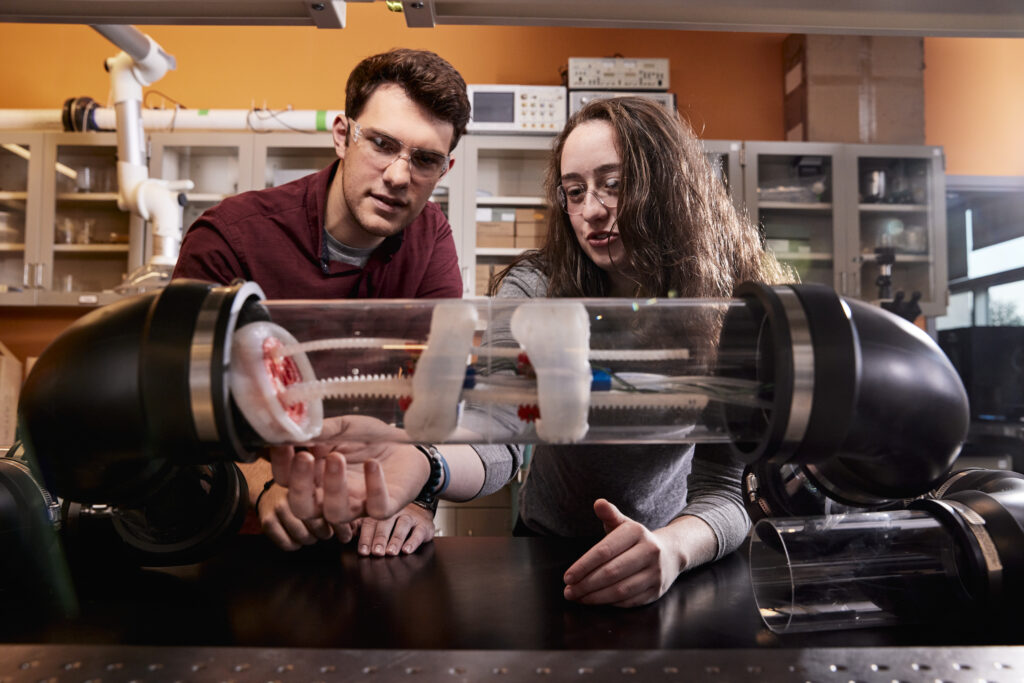
3. Teamwork and Collaboration
Few careers happen completely alone. Whether you work in business, education, healthcare, technology, public service, the arts or another field, you will likely need to collaborate with other people.
Teamwork means being able to contribute, listen, share responsibility and support a group goal. Collaboration also means learning how to work with people who may think differently than you, communicate differently or bring different strengths to the table.
College gives students many chances to build teamwork skills through:
- Group projects
- Student organizations
- Athletic teams or club sports
- Volunteer work
- Campus employment
- Internships
- Research teams
- Peer mentoring or leadership roles
Strong collaboration does not mean everyone always agrees. It means you can stay respectful, communicate clearly and help the group keep moving forward.
4. Time Management and Organization
Time management is one of the most practical skills college students can build before graduation.
In college, you may be balancing classes, assignments, work, family responsibilities, social plans, internships, clubs and personal goals. Learning how to manage your schedule now can help you feel more prepared for professional environments, where deadlines and priorities often compete for your attention.
You can build time management skills by:
- Using a planner, calendar or task-management app
- Breaking large assignments into smaller steps
- Planning ahead for exams and projects
- Setting weekly study blocks
- Keeping track of deadlines
- Creating routines that support focus and rest
- Learning when to ask for help
Online courses can also help students build time management and self-direction because they often require students to manage deadlines, participate consistently and take ownership of their learning.
That kind of structure and independence can be useful far beyond college.
5. Adaptability
Adaptability is the ability to adjust when plans, tools, expectations or circumstances change.
This skill matters because today’s workplaces continue to evolve. New technologies, changing industries and different ways of working mean that graduates need to be open to learning, improving and trying new approaches.
College students build adaptability when they:
- Take courses that challenge them
- Learn new platforms or software
- Adjust to different teaching styles
- Work with different classmates
- Balance changing schedules
- Receive feedback and use it to improve
- Try new experiences outside their comfort zone
Adaptability means you are willing to learn, stay flexible and keep moving forward when something is new.
6. Digital Literacy
Digital literacy means being able to use technology thoughtfully, professionally and effectively.
For college students, digital literacy may include using learning management systems, researching online, evaluating sources, creating presentations, collaborating through shared documents, attending virtual meetings and using tools that are common in your field.
You can build digital literacy by:
- Taking online or technology-supported courses
- Learning software connected to your major
- Using research databases and digital libraries
- Practicing virtual collaboration
- Creating digital presentations or projects
- Learning how to communicate professionally across email, video and messaging platforms
- Staying curious about new tools in your field
Digital literacy can help graduates feel more prepared for workplaces where technology is part of everyday communication, collaboration and problem-solving.
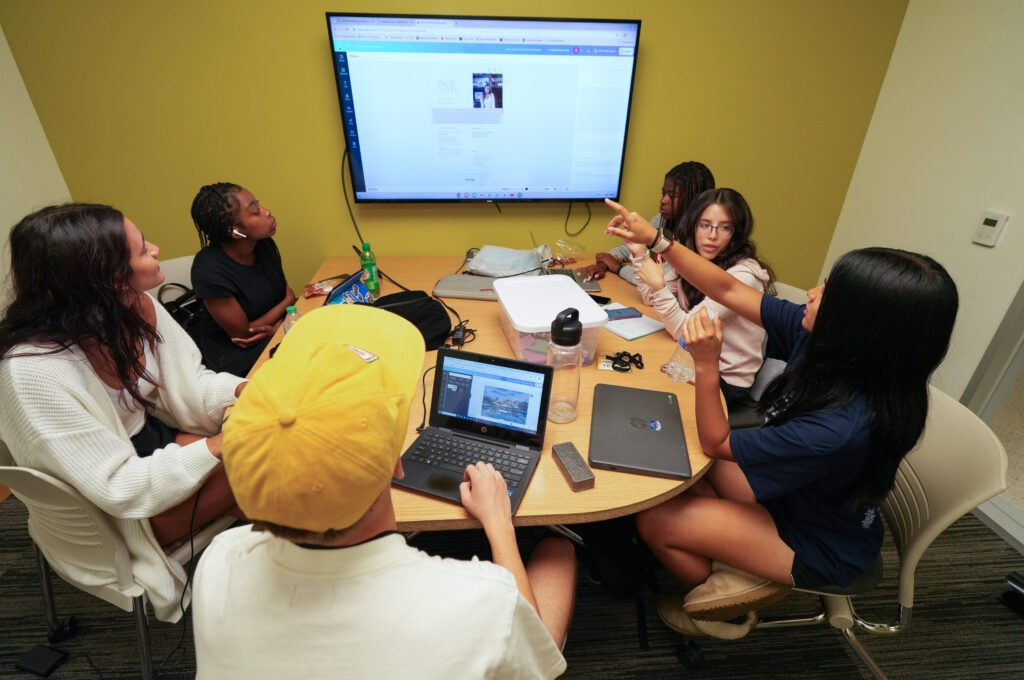
7. AI Literacy and Responsible Technology Use
Artificial intelligence (AI) is quickly becoming part of how people learn, work, research, organize ideas and complete everyday tasks. For college students, learning how to use AI responsibly can be an important career-ready skill.
AI literacy means knowing how to use tools like ChatGPT, Microsoft Copilot or other platforms in thoughtful and ethical ways. It also means understanding their limits.
Students can build AI literacy by learning how to:
- Use AI tools to brainstorm, outline or organize ideas
- Write stronger prompts
- Review and revise AI-generated content
- Fact-check information
- Protect privacy and sensitive data
- Follow academic integrity guidelines
- Add original thinking, context and judgment
AI can support learning and productivity, but it should not replace your own voice, reasoning or responsibility. You can strengthen your confidence by learning how to use technology as a tool while still thinking critically and communicating clearly.
8. Professionalism and Self-Direction
Professionalism starts before your first full-time job. It can show up in how you communicate, meet deadlines, respond to feedback, prepare for meetings and follow through on commitments.
Self-direction is closely connected. It means taking initiative, staying motivated and knowing how to move forward without waiting for someone to tell you every next step.
College students can build professionalism and self-direction by:
- Showing up prepared for class or work
- Communicating early when they have questions
- Following through on responsibilities
- Accepting feedback with an open mind
- Taking leadership roles
- Building a resume and LinkedIn profile
- Seeking internships, research opportunities or campus jobs
- Meeting with career services before senior year
These habits can help you build confidence and show future employers that you are ready to contribute.
How College Students Can Build Career Skills Before Graduation
Many of the best opportunities to build these skills happen throughout your college experience.
Here are a few practical ways to start:
- Choose classes that include projects, presentations or applied learning
- Join a student organization connected to your interests or career goals
- Look for internships, part-time jobs or volunteer roles
- Use career services for resume help, interview practice and job search guidance
- Ask professors or advisors about opportunities in your field
- Take online courses that strengthen independence and digital communication
- Reflect on the skills you are building after each major project or experience
- Keep a running list of examples you can use in interviews
That last step is especially helpful. Instead of saying, “I have teamwork skills,” you will be able to explain how you worked on a group project, solved a challenge, communicated with team members and helped complete a goal.
How Rowan Helps Students Build Career-Ready Skills
At Rowan University, you will have opportunities to build career-ready skills through coursework, hands-on learning, internships, student organizations, advising, academic support, career preparation and mentorship from experienced faculty.
Whether you are learning on campus, online or through a combination of experiences, the goal is to build knowledge, confidence and transferable skills that can support long-term success.
Through academic programs, applied learning opportunities and student support resources, Rowan helps you strengthen skills such as communication, problem-solving, collaboration, time management, digital literacy and independent thinking.
Those skills can support you in the classroom, in internships and in the workplace.
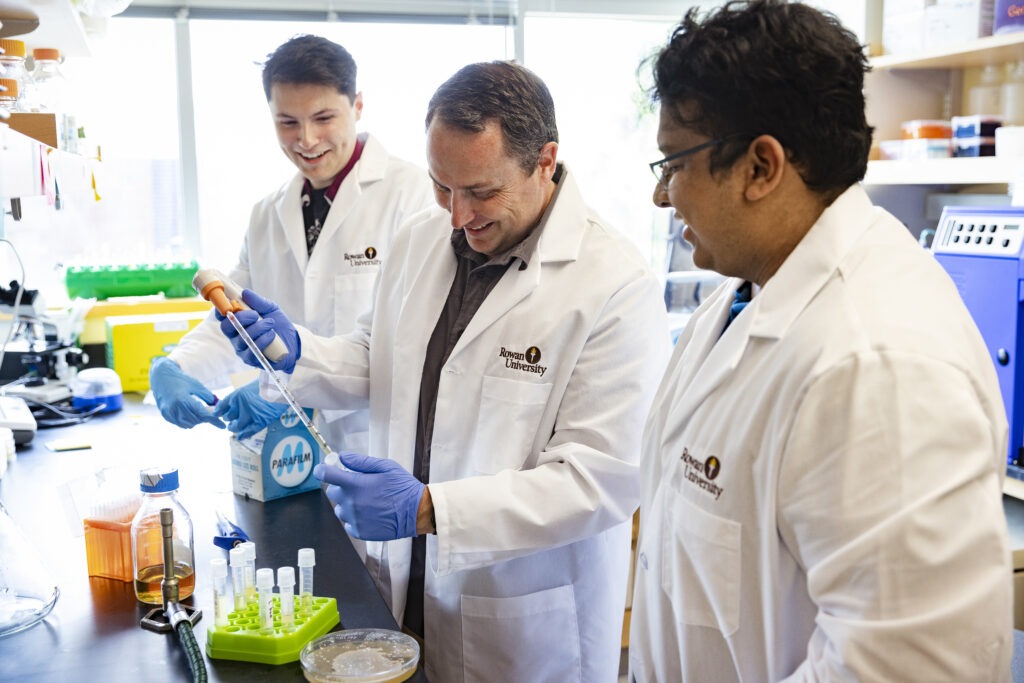
Building Career Skills That Support Your Next Step
Career skills are not built in one semester, one course or one internship. They grow over time through the choices you make, the experiences you try and the ways you challenge yourself to keep learning.
Communication, problem-solving, teamwork, time management, adaptability, digital literacy, AI literacy and professionalism can help college students prepare for opportunities beyond graduation. These skills can also help you feel more confident while you are still in school.
At Rowan University, that growth is not limited to one path, one interest or one definition of success. You are encouraged to explore across disciplines, build practical skills and create an academic experience that reflects who you are and who you want to become. That is what it means to defy definition.
If you are ready to build knowledge, confidence and career-ready skills, Rowan University offers academic programs and student support resources designed to help you prepare for what comes next.
About Rowan
A top 100 national public research institution, Rowan University offers bachelor’s through doctoral and professional programs in person and online to nearly 25,000 students. The fastest-growing public research institution in the Northeast and among the country’s top 10 fastest-growing, Rowan offers a thriving multidisciplinary environment with a strong emphasis on practical research in health care, engineering, science and business, while ensuring excellence in undergraduate education. Nationally recognized for innovation, high-quality, affordable education and public-private partnerships, Rowan is one of two universities in the U.S. to offer M.D., D.O. and D.V.M. degree programs.