
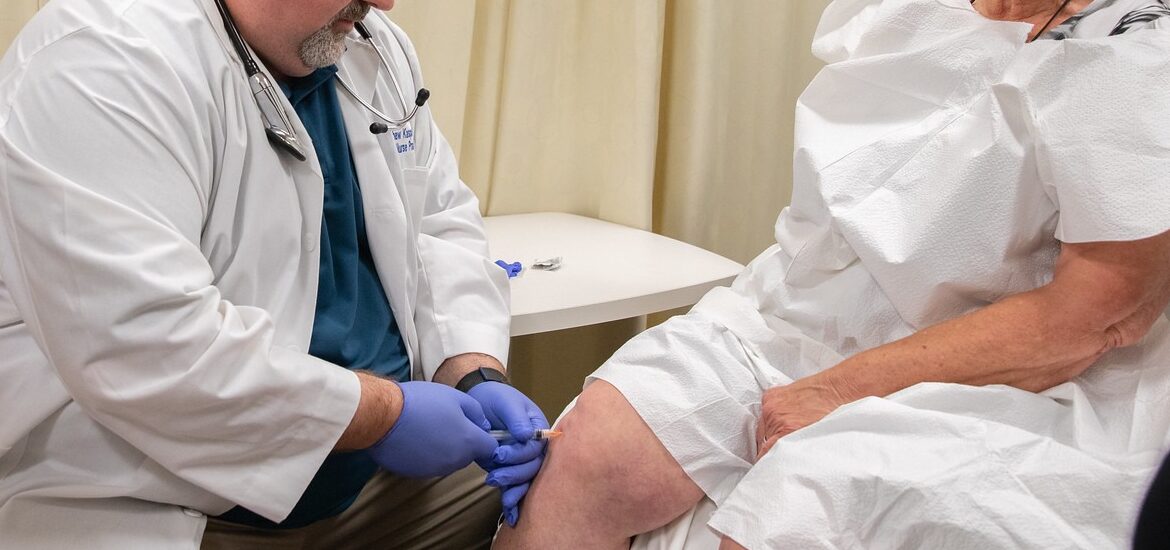
As healthcare systems evolve, many nurses consider pursuing impactful roles beyond direct patient care. National workforce trends point to continued need for nursing educators and healthcare leaders as nursing schools address faculty shortages and healthcare organizations navigate workforce challenges, advancing technology and increasingly complex models of care.
For experienced nurses ready to expand their impact, Nurse Educator and Nurse Executive careers offer two distinct pathways. One focuses on preparing and supporting the nursing workforce. The other centers on leading people, strategy and systems.
This article explores why these roles are important heading into 2027 and how earning an MSN from Rowan Online can position nurses for greater leadership, teaching and system-level influence.
Why More Nurses Are Moving Beyond the Bedside in 2026
Nurses often begin their careers because of a deep passion for caring for others. While direct patient care remains at the core of the nursing profession, experienced nurses may eventually look for ways to apply their clinical knowledge beyond the bedside.
Education and leadership are two paths that allow nurses to extend their influence across teams, organizations and future generations of nurses.
Healthcare organizations are also becoming increasingly complex. Advancing technology, evolving models of care, workforce needs and changing regulations are increasing the need for professionals who can lead healthcare teams and organizations effectively. The U.S. Bureau of Labor Statistics projects employment of medical and health services managers to grow 24% from 2025 to 2035, much faster than the average for all occupations.
For nurses with clinical experience, graduate education can provide an opportunity to build the leadership, teaching, communication and organizational skills needed to pursue the next stage of their careers.
What Does a Nurse Educator Do?
Nurse educators are an important part of the changing healthcare landscape, helping prepare the next generation of nurses while supporting the continued development of experienced nursing professionals.
According to the American Nurses Association, nurse educators may work both with students entering the profession as well as experienced nurses who need continuing education, professional development or additional clinical training.
Depending on the position and setting, employers may prefer or require graduate preparation. Academic faculty roles may also require or prefer doctoral preparation, particularly for full-time university positions.

Where Nurse Educators Work
Nurse educators work in both clinical and academic settings, providing instruction, mentorship and professional development for nursing students and practicing nurses.
Nurse educators may work in:
- Colleges and universities
- Hospitals and healthcare systems
- Hospital education and professional development departments
- Community health organizations
- Online nursing education programs
- Clinical training and preceptorship environments
Why Nurse Educators Are in Demand
The need for qualified nursing faculty remains an important workforce issue.
According to the American Association of Colleges of Nursing, a 2025 national survey identified 1,588 full-time faculty vacancies at nursing schools offering baccalaureate or graduate programs. The national nurse faculty vacancy rate was 7.2%, and more than 80% of those vacancies required or preferred candidates with doctoral preparation.
Faculty shortages can also affect how many nursing students schools are able to educate. AACN reports that nursing programs continue to turn away qualified applications because of constraints including faculty shortages, limited clinical placement sites, classroom space and other resources.
The Bureau of Labor Statistics projects employment of postsecondary nursing instructors and teachers to grow 17% from 2024 to 2034, faster than the average for all occupations.
For experienced nurses who enjoy teaching, mentoring and sharing their clinical expertise, a Nurse Educator MSN can provide preparation for roles in nursing education, staff development and clinical leadership.
What Does a Nurse Executive Do?
Nurse executives are senior-level nursing leaders who help shape nursing practice, organizational strategy and patient care across healthcare organizations.
At the highest levels, Chief Nursing Officers and Chief Nurse Executives may serve as members of an organization’s senior leadership team and oversee nursing professional practice across a hospital, healthcare system or other healthcare organization.
According to the American Nurses Association, these leaders may be responsible for advancing nursing practice, maintaining consistency in care standards and expectations and aligning nursing operations with an organization’s mission, goals and strategic priorities.
These roles typically require substantial nursing experience, progressive leadership responsibility and advanced education.
A Nurse Executive MSN can help nurses develop the leadership, organizational and strategic skills needed to pursue management and executive-level opportunities.

Core Responsibilities
Nurse executives work closely with nursing leaders, healthcare administrators and other members of organizational leadership.
Depending on the position, responsibilities may include:
- Strategic decision-making
- Nursing practice oversight
- Staffing and workforce planning
- Budget and financial planning
- Quality and patient safety
- Policy development
- Staff and patient engagement
- Leading organizational change
- Supporting technology and operational initiatives
Nurse executives also need strong communication and interpersonal skills. Senior nursing leaders regularly communicate with clinicians, administrators, patients, community members and other stakeholders and may serve as a highly visible representative of nursing within an organization.
Why Nurse Executives Are in Demand
Healthcare organizations continue to navigate rapid change, including new technologies, evolving care models, workforce challenges and increasingly complex operational demands.
The Bureau of Labor Statistics does not track “nurse executive” as a separate occupation, but the broader medical and health services manager category offers a useful indicator of demand for healthcare leadership. Employment in that category is projected to grow 24% from 2025 to 2035, with about 62,300 openings projected each year on average.
For experienced nurses who understand both patient care and healthcare operations, advanced leadership preparation can create opportunities to influence staffing, quality, organizational strategy and the delivery of nursing care.
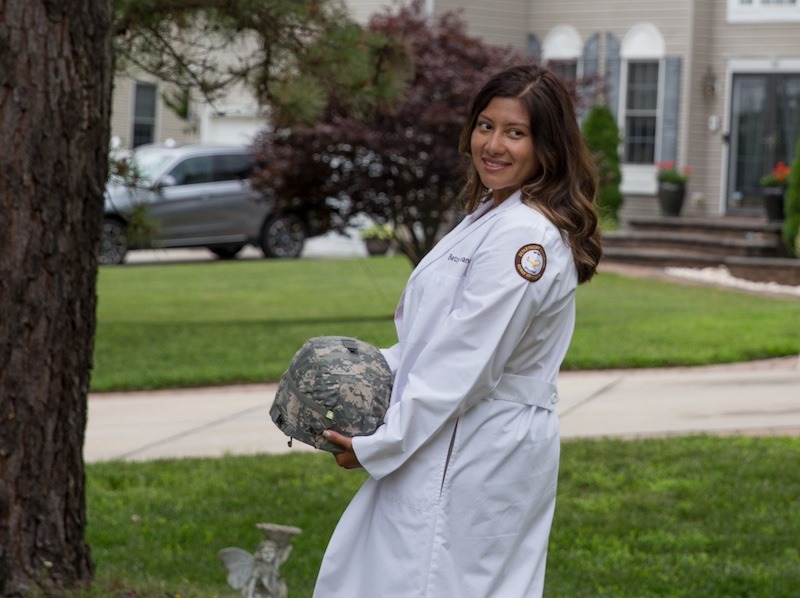
MSN Degree Pathways at Rowan That Support These Careers
Online MSN programs can give working nurses an opportunity to pursue graduate education while continuing their careers.
Rowan University’s Master of Science in Nursing program features 100% online coursework and is designed to help registered nurses build advanced knowledge and skills while continuing to work.
Rowan currently offers five MSN tracks:
- MSN Nurse Educator – Focuses on teaching and learning principles, curriculum design and evaluation methods within healthcare environments. Graduates may pursue opportunities in nursing education, staff development, clinical education and related leadership roles.
- MSN Nurse Executive – Combines advanced nursing knowledge with leadership, organizational strategy and healthcare management concepts. Students explore issues including healthcare technology, healthcare reform, organizational change and the complexities of managing healthcare systems.
- MSN Family Nurse Practitioner – Prepares nurses to provide comprehensive care across the lifespan in primary care settings and prepares graduates to sit for the Family Nurse Practitioner concentration certification exam.
- MSN Adult Gerontology Acute Care Nurse Practitioner – Prepares nurses for advanced practice focused on the care of acutely and critically ill adult and older adult patients.
- MSN Psychiatric Mental Health Nurse Practitioner – Prepares nurses to provide care for patients experiencing mental and behavioral health conditions and prepares graduates to sit for the Psychiatric Mental Health Nurse Practitioner concentration certification exam.
Depending on the concentration, Rowan’s MSN program requires 36 to 53 graduate credits and can be completed in approximately 24 to 60 months.
“I enjoy teaching. I love seeing the results of years of knowledge education disseminated to those people who are going to be the ones replacing me.”
Michael L., online MSN Nurse Educator student

How to Choose the Right MSN Specialty: Educator vs. Executive
The MSN degree is designed for registered nurses who are ready to deepen their expertise and move into advanced areas of nursing practice, education or leadership.
Choosing between the Nurse Educator and Nurse Executive tracks depends largely on the type of impact you want to have.
Do you want to develop nurses through teaching, mentorship and curriculum?
Or do you want to lead teams, shape organizational strategy and influence nursing practice at a broader level?
Choose Nurse Educator If You …
The Nurse Educator MSN program offers a focused curriculum emphasizing teaching and learning principles, curriculum design and evaluation methods relevant to healthcare education.
Consider this degree program if you:
- Enjoy teaching or mentoring
- Want to help prepare future nurses
- Want to support professional development for practicing nurses
- Are interested in curriculum design and evaluation
- Want to combine clinical experience with education
- See yourself working in academic, clinical or professional development settings
Choose Nurse Executive If You …
The Nurse Executive MSN program emphasizes organizational leadership, healthcare strategy and the increasingly complex environment in which healthcare organizations operate.
You may benefit from this program if you:
- Thrive in leadership and strategic decision-making
- Want to influence staffing, policy and organizational performance
- Are interested in healthcare operations and organizational strategy
- Want to lead change across teams or healthcare systems
- Aspire to pursue positions such as nurse manager, director of nursing or, with sufficient experience and preparation, senior executive roles such as Chief Nursing Officer

Why Earning Your MSN at Rowan Is a Strategic Investment
Rowan University is a Top 100 national public research university and was ranked No. 92 among Top Public Schools in the 2026 U.S. News & World Report Best Colleges rankings. Rowan also ranked No. 114 among Best Value Schools.
Through Rowan Online, registered nurses can choose among five MSN tracks aligned with different career goals, including Nurse Educator and Nurse Executive.
The Commission on Collegiate Nursing Education-accredited MSN program features 100% online coursework, allowing nurses to pursue graduate education without necessarily stepping away from their current careers.
Depending on the concentration, the program requires 36 to 53 graduate credits. Applicants must hold a bachelor’s degree or equivalent in nursing from an accredited institution, have a minimum 3.0 GPA and maintain a current U.S. RN license as well as an active New Jersey RN license for the duration of the program.
With concentrations spanning education, leadership and advanced practice nursing, Rowan’s online MSN pathways give experienced nurses opportunities to build on their clinical foundation and prepare for new ways to influence healthcare.
Learn More About the Online MSN Programs at Rowan University
The future of nursing extends well beyond bedside care.
As nursing schools work to prepare future nurses and healthcare organizations navigate increasingly complex demands, Nurse Educator and Nurse Executive roles give experienced nurses two different ways to expand their impact.
Nurse educators can shape the knowledge and skills of current and future nurses. Nurse executives can help shape the systems, strategies and environments in which nurses provide care.
With a CCNE-accredited MSN program featuring 100% online coursework, Rowan University gives working nurses multiple pathways for taking that next step.
About Rowan Online
Rowan Online empowers learners throughout the region with high-quality, accessible and affordable online education backed by the innovation and forward-thinking of Rowan University. Rowan’s flexible online programs seamlessly connect students to award-winning faculty and industry leaders, comprehensive student support services and academic resources—no matter where they are. In collaboration with Rowan’s nationally ranked colleges and schools, Rowan Online delivers bachelor’s, master’s and doctoral programs in high-demand, future-focused fields. Guided by employer insight and industry-driven curriculum, Rowan Online prepares students to excel in a rapidly evolving workforce and lead in their professions and communities.